
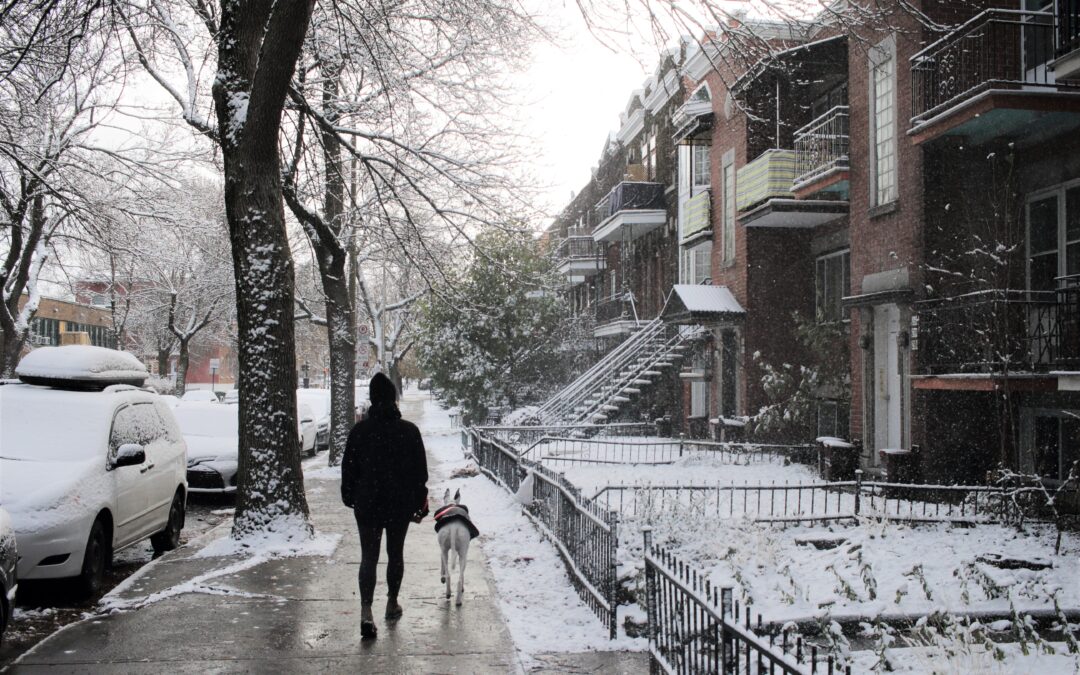
1. Introduction
If you’ve lived through a GTA winter, you already know the pattern: snow at night, slush in the morning, and ice by evening. The problem is, snow and ice don’t just ruin a day – they can trigger fines and legal risk. Let’s make the rules simple.
2. What Are Snow Removal Laws in the GTA?
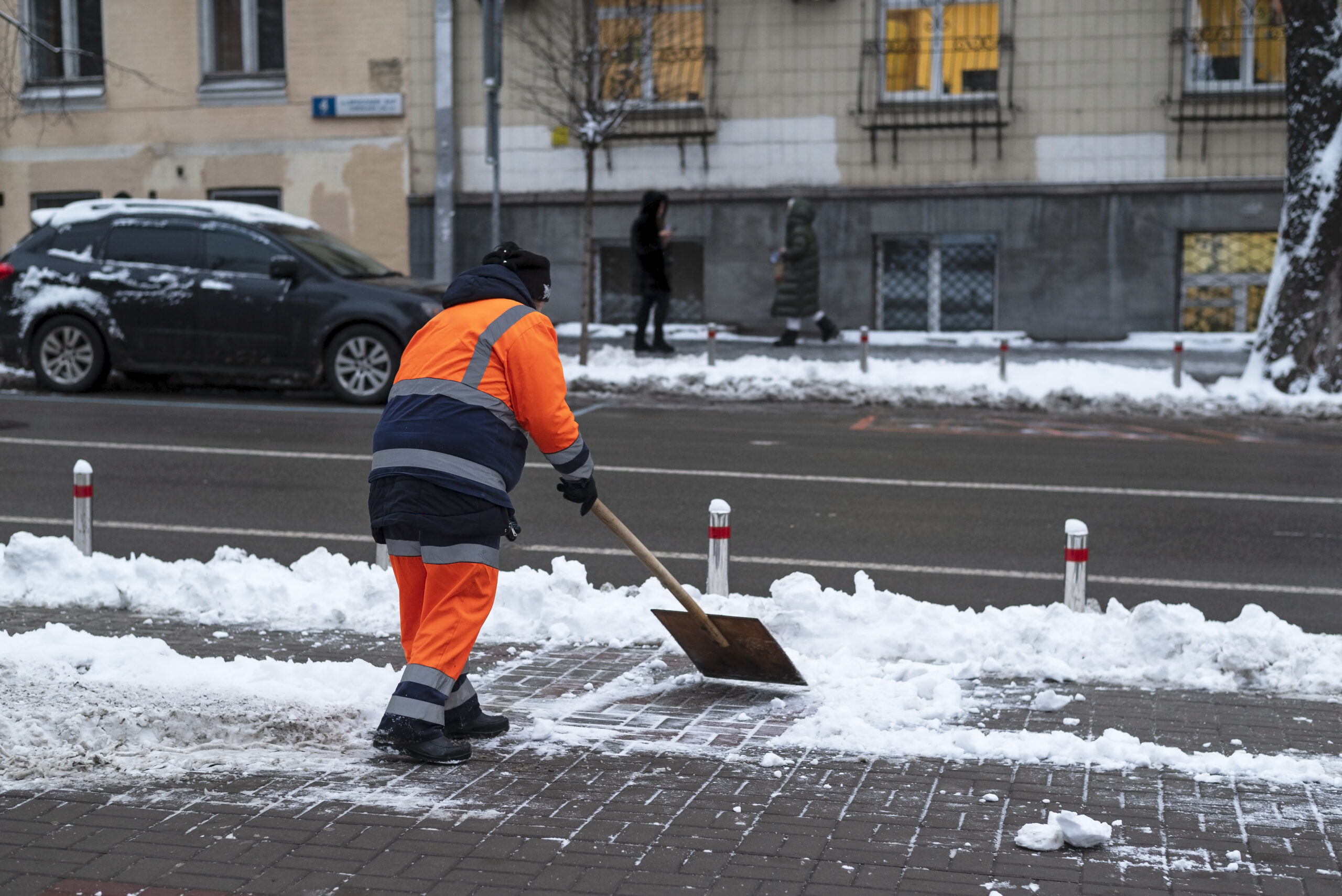
In many GTA municipalities, the city is responsible for clearing snow from designated public sidewalks, while property owners must maintain private walkways.
Snow removal laws in the GTA are mostly local by-laws that tell you three things: what must be cleared, how fast it must be cleared, and who’s on the hook if it isn’t. These rules vary by city, but the goal is the same everywhere – safe access for people walking, driving, delivering packages, or responding to emergencies.
Ontario also has a bigger “umbrella” idea behind all this: if you control a property, you’re expected to take reasonable care to keep it safe. In winter, that usually means snow clearing and ice control.
A simple way to think about it: snow is like clutter on a staircase. If you leave it there and someone slips, you don’t get a free pass because winter is “normal.” The question becomes: Did you act like a responsible owner/manager would? That’s the heart of snow removal laws Ontario-wide.
3. Who Is Legally Responsible for Snow Removal?
Every winter, the same question comes up in different ways:
- “Is it on me?”
- “Is it on the tenant?”
- “Does the city handle it?”
- “If I hired someone, am I covered?”
Here’s the honest answer: responsibility depends on the area, the property type, and what’s written down.
3.1 Responsibilities of homeowners and landlords
In many GTA municipalities, the property owner is responsible for clearing adjacent sidewalks (where by-laws require it), plus keeping private access areas safe – walkways, steps, and entrances. Even when you’re not physically doing the shoveling, you’re usually still the person expected to ensure it gets done.
3.2 Responsibilities of tenants under lease agreements
This is where the big keyword question lives: who is responsible for snow removal, landlord or tenant?
A lease can assign tasks to a tenant, but vague wording like “tenant handles snow” isn’t enough. If snow isn’t cleared properly and someone gets hurt, the owner/occupier can still be pulled into the situation.
3.3 Responsibilities of property managers and condo boards
Condo boards and property managers typically oversee common areas – shared walkways, stairs, ramps, parking lots, entrances. In practice, this means building a reliable system: contractor coverage, site checks, and documentation.
3.4 Shared and multi-unit property responsibilities
Shared properties are where trouble happens fastest. If responsibilities aren’t clearly defined, everyone assumes someone else handled it. And ice doesn’t care about assumptions.
4. Key GTA Municipal Snow Removal Rules to Know
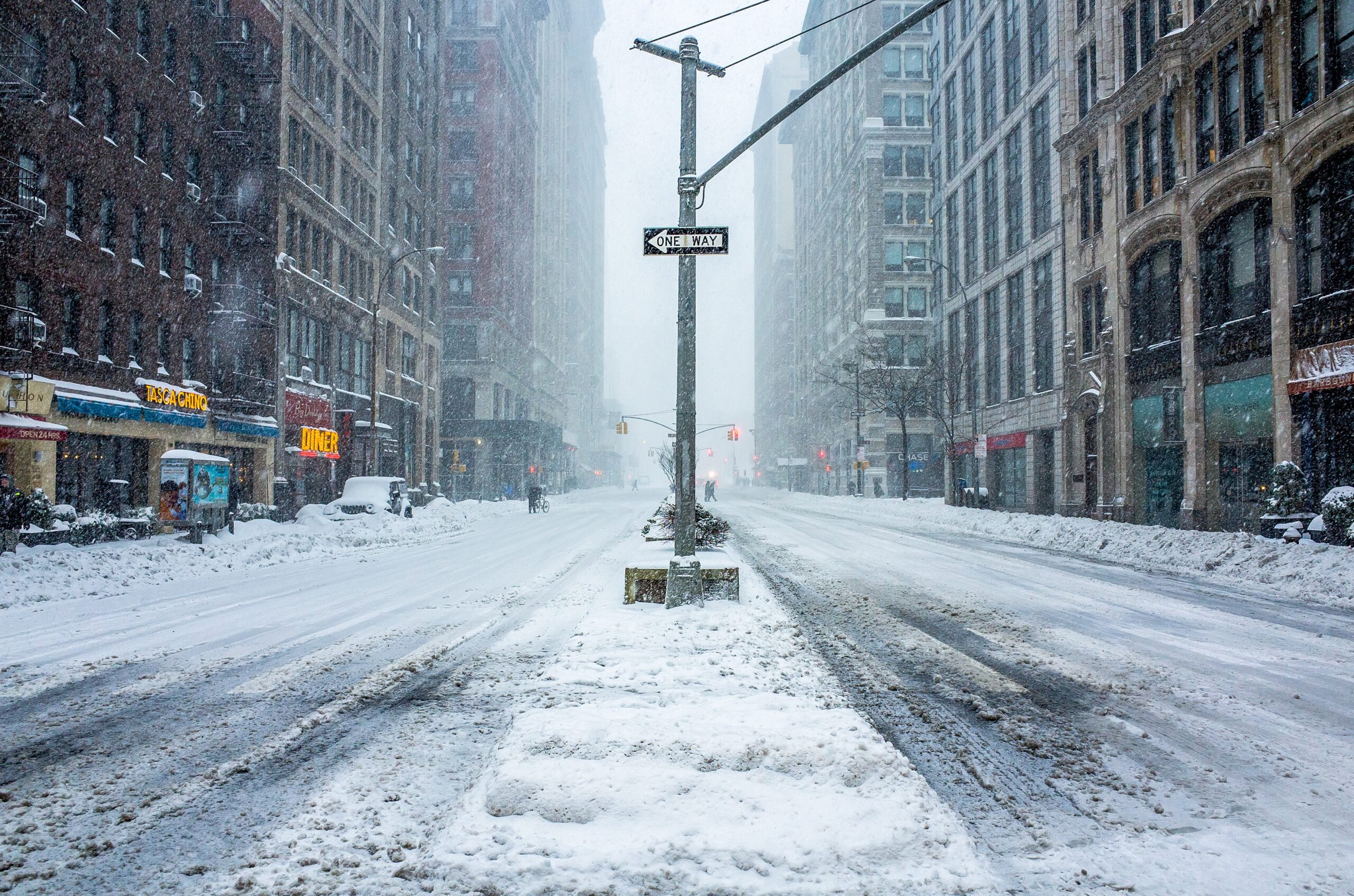
Severe winter storms across the GTA make timely snow removal essential to keep roads, sidewalks, and public spaces safe and legally compliant.
Let’s be clear: there’s no single “GTA snow removal by-law.” Each municipality sets its own standards. If you operate across regions, it’s smart to build your process around the strictest rules you commonly face.
4.1 Toronto snow and ice removal rules and timelines
Toronto is the one people reference the most, and for good reason – Toronto has clear public guidance. The phrase “Toronto sidewalk snow removal rules” usually refers to owner/occupant obligations to clear sidewalks within a set timeframe after snowfall ends.
Toronto also communicates that for smaller accumulation (often referenced as 2 cm or less), residents and businesses are expected to clear sidewalks within a short window (commonly 12 hours after snowfall ends). This is why snow removal bylaws Toronto gets searched so heavily – because enforcement and expectations are well-known and the city is busy.
Also, don’t forget private property access. Sidewalks are one part of the story. Entrances, steps, ramps, and on-site routes are where injuries happen most often.
4.2 Peel Region snow and ice removal rules and timelines
Peel can feel confusing because regional and local responsibilities overlap. The Region focuses heavily on major roads and operations, while the City-level rules and property standards impact sidewalks and on-site clearing expectations.
If you manage property in Mississauga or Brampton, here’s the safe mindset: even if the city clears some public routes, you still need a solid plan for private routes – driveways, entrances, parking areas, and walkways.
4.3 York Region snow and ice removal rules and timelines
York Region includes several municipalities, and each may handle sidewalk clearing and timelines differently. But the standard expectation is consistent: keep pedestrian access safe, respond within the required deadline, and treat ice.
4.4 Durham Region snow and ice removal rules and timelines
Durham municipalities typically enforce snow clearing for sidewalks and on-site routes, even where municipal plowing exists. What gets people in trouble here isn’t always the first snowfall – it’s the freeze-thaw cycles where refreezing creates slick surfaces overnight.
4.5 Halton Region snow and ice removal rules and timelines
Halton communities often emphasize accessibility and safety: ramps, curb cuts, and main entrances need to remain usable. If you’ve got seniors, families, or high foot traffic, this becomes non-negotiable.
4.6 Common standards across other GTA municipalities
Across the GTA, a few patterns show up again and again:
- Clear key routes promptly after snow stops
- Treat ice, not just snow
- Keep entrances and exits safe
- Keep emergency routes open
- Commercial sites usually face higher expectations because foot traffic is heavier
5. Snow Clearing Deadlines and Time Limits After Snowfall
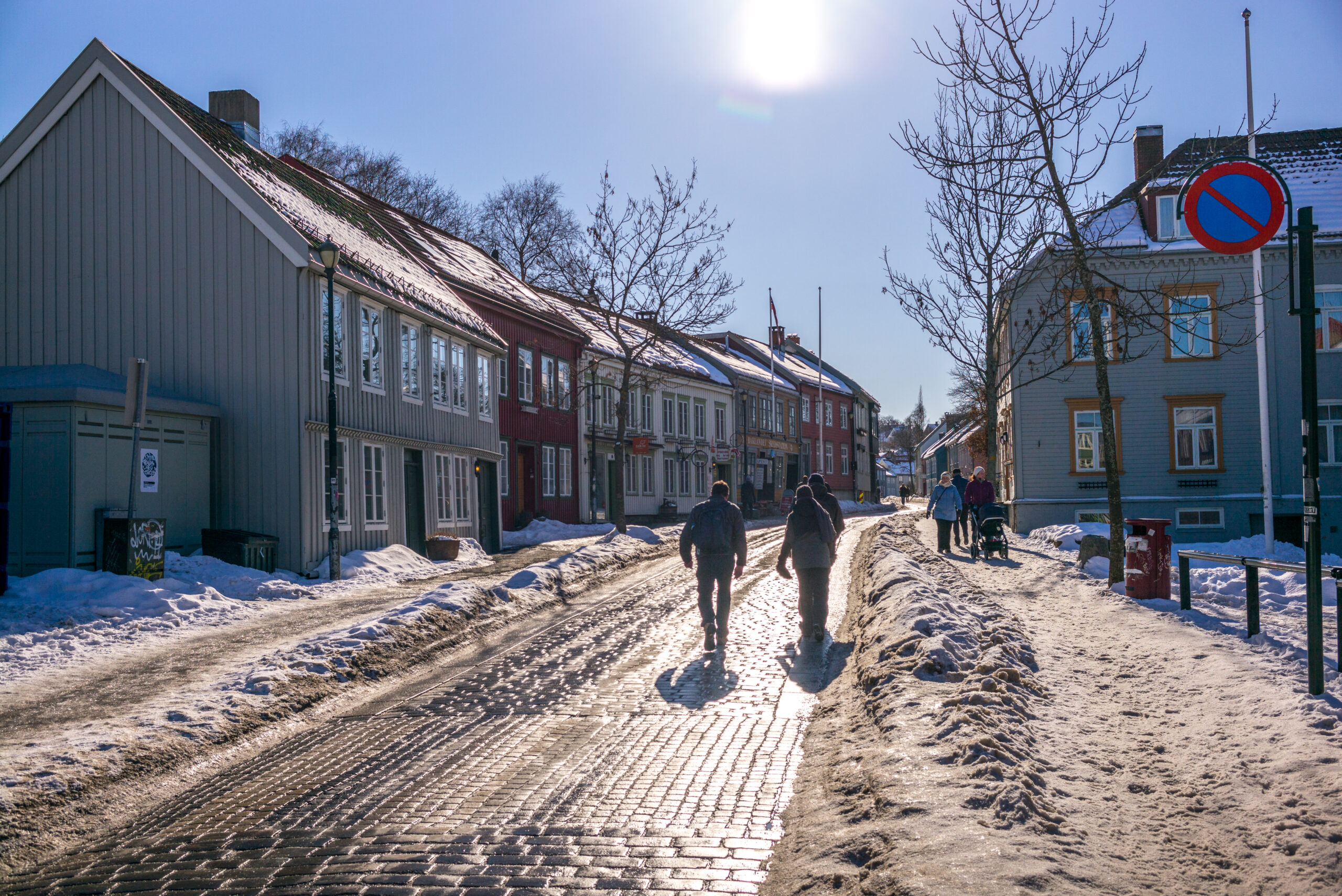
After a snowfall, GTA property owners must clear sidewalks and walkways within legally defined time limits to ensure pedestrian safety and bylaw compliance.
Deadlines are where small mistakes become big headaches.
5.1 Standard deadlines once snowfall stops
Most cities fall into a common range – often 12 to 24 hours after the snow ends. Toronto’s timeline is often referenced as tighter, which is why snow removal deadline Toronto is a top search phrase every winter.
5.2 Rules during ongoing or heavy snowfall
Here’s the part people miss: if snow is falling all day, you still can’t let entrances and main paths become dangerous. You don’t need perfection during a storm, but you do need “reasonable care” – a shoveled path, salted steps, and priority routes kept usable.
5.3 Overnight snowfall and early-morning requirements
Overnight snow is the real test. Morning foot traffic starts early: residents leaving for work, deliveries, garbage pickup, visitors. If you wait until late morning, you’re gambling with both safety and compliance.
6. Areas You Are Legally Required to Clear
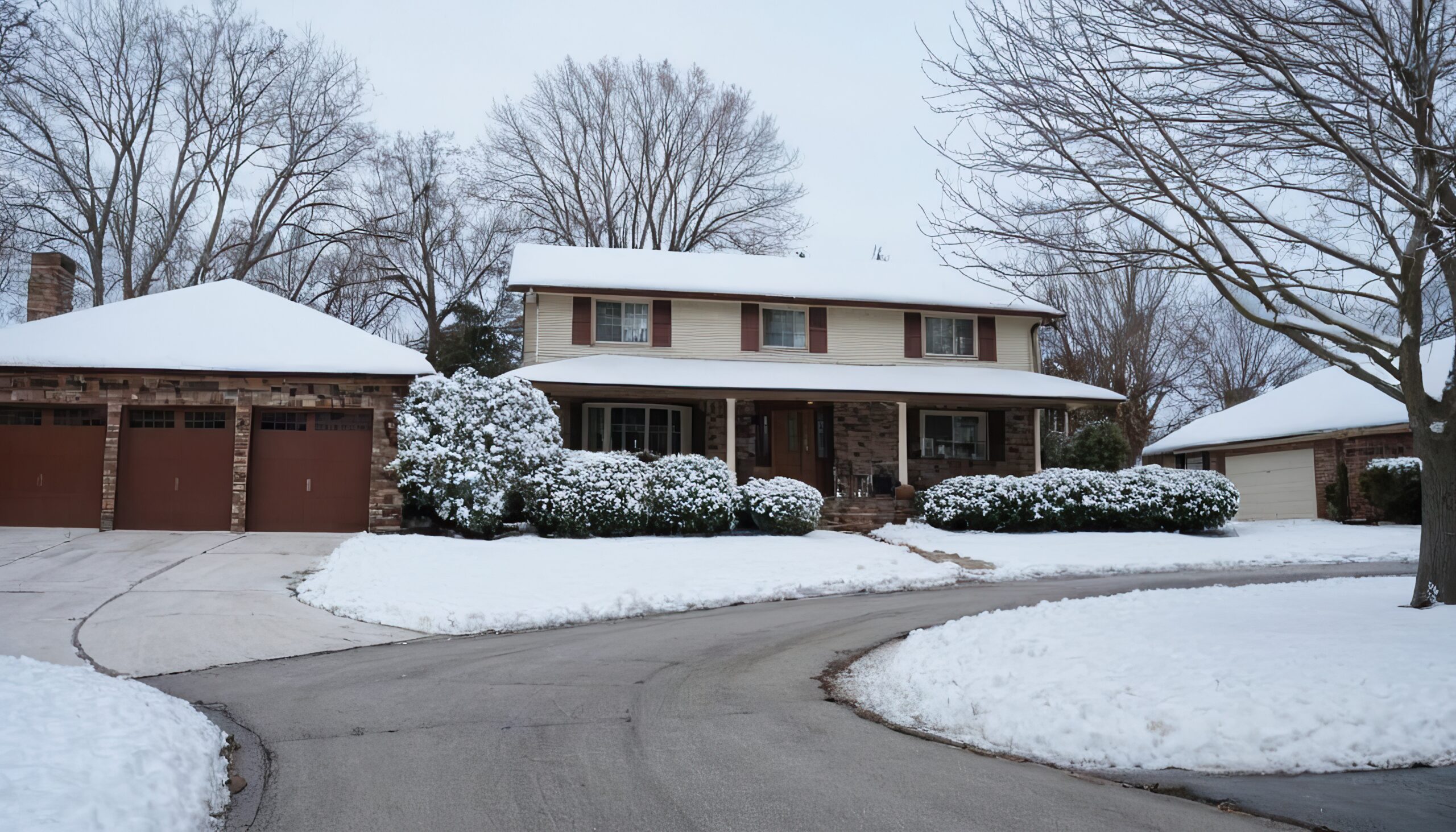
In the GTA, homeowners are legally responsible for clearing snow and ice from driveways and sidewalks within mandated timeframes.
Think of your property like a small airport. People need clear “runways” to move safely. These are the places that usually matter most:
6.1 Public sidewalks adjacent to your property
Depending on the municipality, adjacent sidewalks may be your responsibility. In Toronto, this is one of the most visible requirements, which is why so many people search Toronto sidewalk snow removal rules.
6.2 Private walkways, steps, ramps, and entrances
These are the “high-risk zones.” Packed snow turns to ice fast. Steps and ramps become slip traps when meltwater refreezes.
6.3 Driveways, parking lots, and loading areas
Driveways and parking lots aren’t just about vehicles. People walk from cars to doors, often carrying bags or rushing. Snow piles also reduce sightlines and create frozen ridges.
This is also where year-round site care helps. Keeping edges clean and clutter-free makes winter clearing easier. That’s why Yard cleaning can support safer access routes during winter.
6.4 Emergency routes, fire access, and exits
Emergency exits must remain passable. If an exit is blocked by snow piles, that’s a serious safety issue – beyond just by-law trouble.
7. Fines, Penalties, and By-Law Enforcement
Most by-law enforcement is complaint-driven. Someone slips. A neighbor calls. A resident reports an unsafe entrance. Then it gets attention.
Fines vary, and repeat issues can bring more scrutiny. In some cases, municipalities may arrange snow clearing and charge the cost back to the owner, often with extra fees. Even when fines aren’t massive, they create a paper trail – which can matter if a claim happens later.
A practical way to think about this: fines are like parking tickets. They’re annoying. But if you ignore them, the consequences grow.
The smarter move is to treat winter clearing like a routine process – scheduled, tracked, and consistent – so you don’t end up in reactive mode after a complaint.
8. Liability and Slip-and-Fall Risks for Property Owners
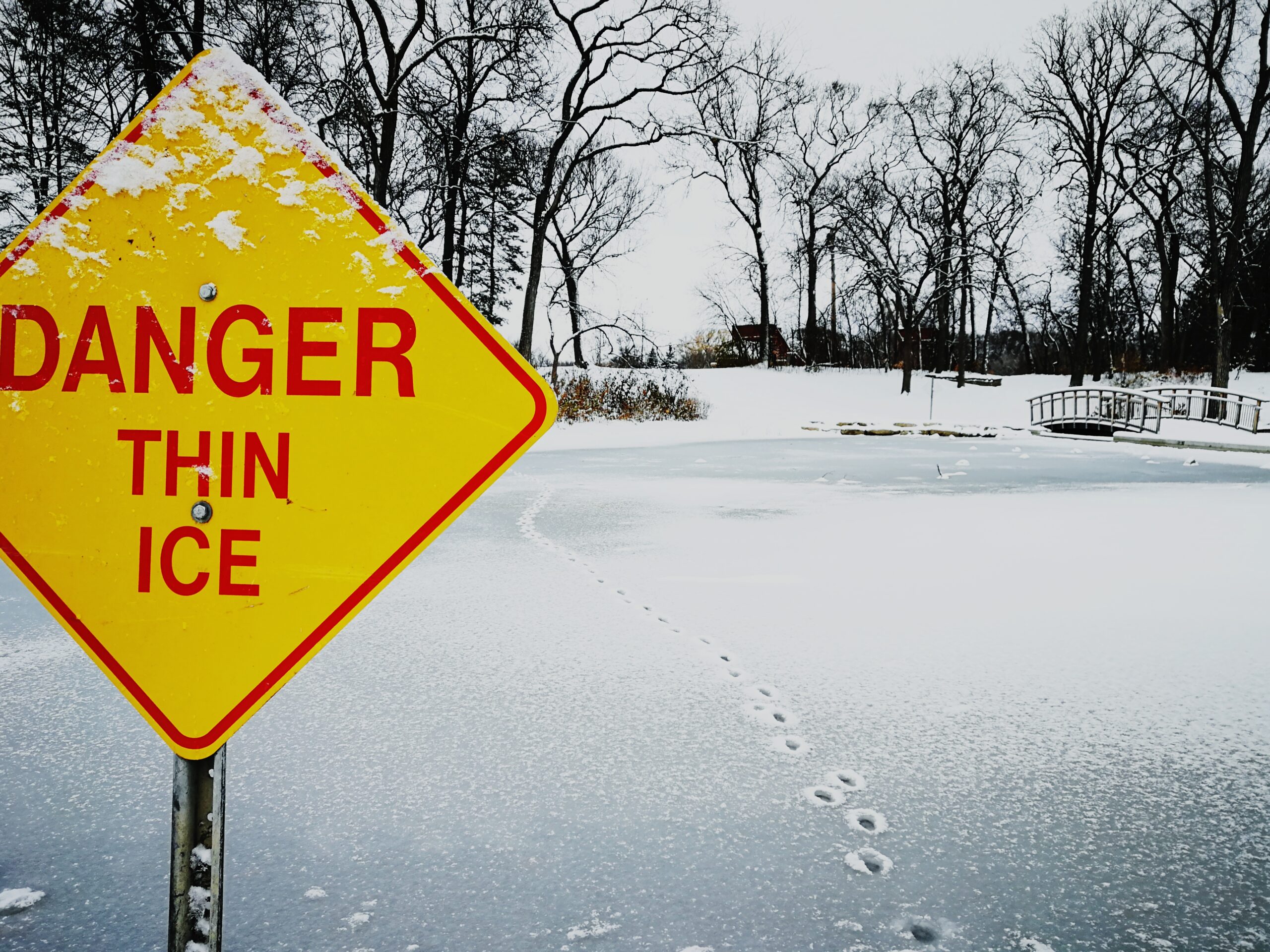
Uncleared snow and hidden ice hazards can expose property owners to slip-and-fall claims, injuries, and legal liability during winter months.
This is where the stakes jump. Because a fine is one thing. A serious injury claim is another.
8.1 How negligence is assessed in winter conditions
In Ontario, the question is usually whether you took reasonable care. Did you clear within the expected time? Did you salt? Did you check high-risk areas? Did you respond when conditions changed?
8.2 When owners, landlords, or managers can be sued
If someone slips and gets injured, you may face snow removal liability Ontario exposure. And yes, contractors can be named too – but owners/occupiers are commonly involved.
8.3 Municipal vs. private property liability
People often assume public sidewalks are “the city’s problem.” In many places, that’s not how it plays out. If by-laws place responsibility on adjacent owners, you may still be expected to clear.
8.4 Insurance implications and coverage gaps
Insurance helps, but it doesn’t replace good habits. If you can’t show a system – timelines, documentation, and consistency – claims become harder to defend. This is why slip and fall snow and ice liability is so closely tied to recordkeeping.
9. Landlord–Tenant Agreements for Snow Removal
A winter agreement shouldn’t be a handshake. It should be clear enough that two strangers could read it and understand the plan.
9.1 What lease agreements must clearly state
Spell out:
- what areas are covered
- the timeline after snowfall ends
- how ice is treated
- what happens if it’s missed
9.2 Single-family rentals vs. multi-unit buildings and condos
Single-family rentals sometimes rely on tenants, but only when responsibilities are specific and monitored. Multi-unit properties usually need professional-level consistency.
9.3 Common legal mistakes that increase liability
Top mistakes:
- vague lease clauses
- no follow-up checks
- no logs/photos
- assuming “someone did it”
If it’s not clear, it’s risky.
10. How to Stay Compliant with Snow Removal Laws

Staying compliant with snow removal laws often involves monitoring weather alerts, understanding bylaw timelines, and arranging timely snow clearing services.
The easiest way to stay compliant is to stop treating snow removal like an emergency.
10.1 Creating a snow and ice response plan
Make a simple one-page plan: trigger points, priorities, materials used, who responds, and the backup option.
10.2 Monitoring snowfall and setting response timelines
Use alerts. Check conditions early. Don’t rely on “it looks fine.” Ice forms quietly.
10.3 Documenting snow removal activities
Keep it simple:
- time-stamped photos
- quick log (time, areas cleared, salt/sand used)
- notes about problem spots
10.4 Communicating responsibilities to tenants and staff
Post a short notice or send a message after major storms: “Clearing schedule, priority routes, hazard reporting.” Many owners find it easier to fold winter tasks into ongoing Home maintenance so nothing gets missed.
11. When to Hire a Professional Snow Removal Service
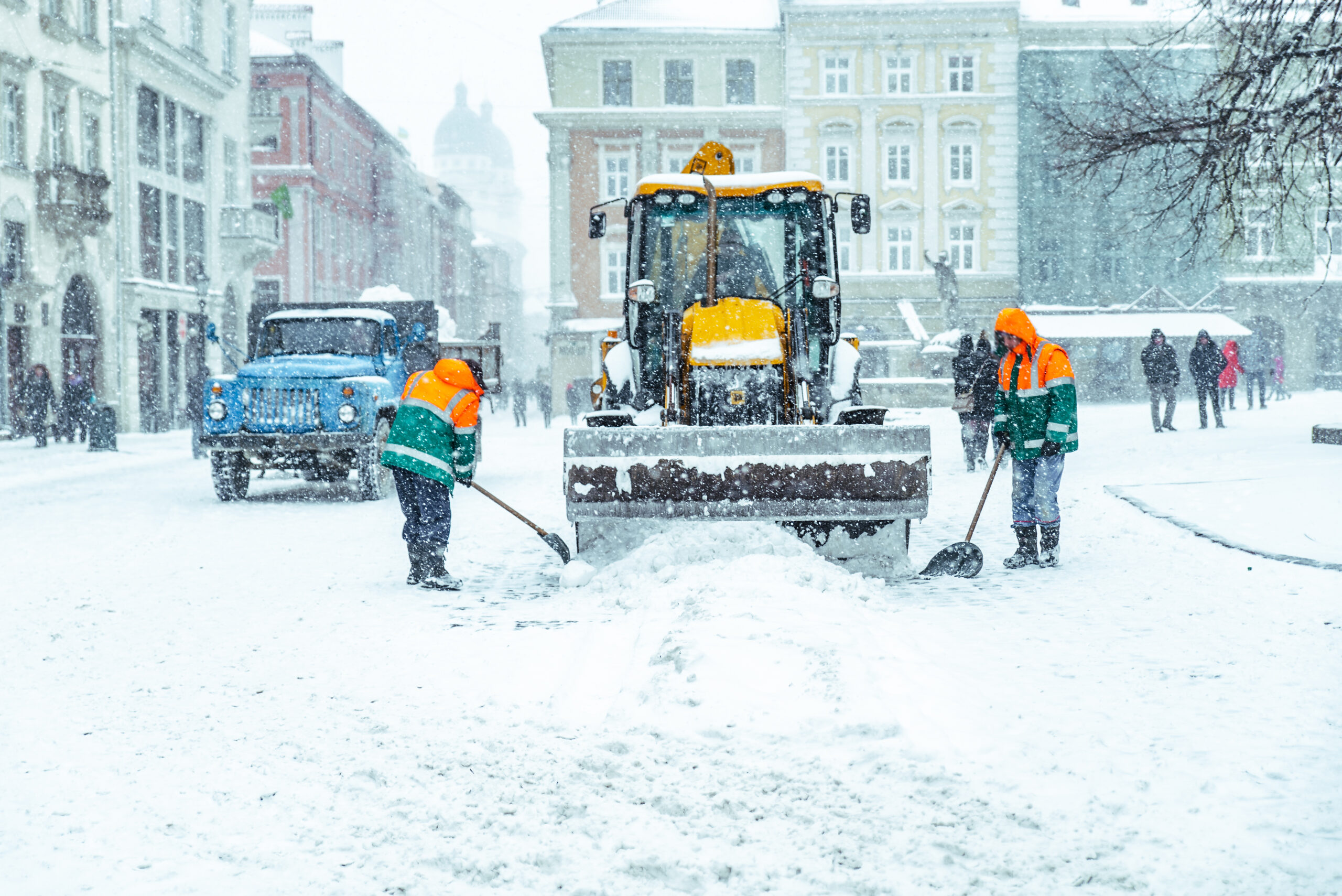
Large snowfalls, commercial properties, and strict bylaw deadlines often require professional snow removal services equipped to handle heavy accumulation efficiently.
There’s a point where DIY becomes a liability risk.
11.1 When DIY snow clearing is no longer enough
If you’re managing a large site, multiple entrances, parking lots, or high foot traffic, DIY often breaks down – especially with back-to-back storms.
11.2 What to look for in a snow removal contractor
Ask about:
- response times
- ice control approach
- documentation and logs
- insurance coverage
- how they handle extreme weather
11.3 Residential vs. commercial service expectations
Commercial property snow removal rules usually mean higher expectations: more area, more traffic, and more risk. Commercial sites also need better planning for snow pile placement and constant access.
11.4 Contracts, service levels, and response guarantees
A written agreement matters. It sets expectations and protects both sides. If you’re considering snow removal services GTA, it’s smart to talk early – before the first big storm rush. You can Get a free quote and compare service levels before winter gets hectic.
12. Best Practices for Reducing Winter Risk on Your Property
You don’t need fancy tactics. You need repeatable ones.
12.1 Proper salting and de-icing techniques
Salt early. If you wait until ice forms, you’ll use more product and still struggle. In a deep cold, add grit/sand for traction.
12.2 Preventing ice buildup and refreeze
A lot of ice problems start above your head. Meltwater runs off the roof, drains poorly, then refreezes near entrances. That’s why seasonal Gutter cleaning and proactive Flat roof care can reduce surprise ice patches.
12.3 Clear signage, lighting, and visibility
Good lighting is underrated. It helps people spot slick zones before they step on them.
12.4 Proactive steps during extreme winter weather
Before storms: move bins, clear clutter, mark edges, and confirm your plan. And during freeze-thaw weeks, check surfaces more than once – morning and evening at minimum.
13. Frequently Asked Questions
13.1 How many hours do I have to clear snow after a storm in my GTA city?
Often 12–24 hours after snowfall ends, depending on the municipality. Toronto deadlines are frequently tighter, which is why “snow removal deadline Toronto” is searched so often.
13.2 Who is responsible for snow removal at a rental property – landlord or tenant?
It depends on the lease and local by-laws. Even when the tenant shovels, owners/occupiers often still carry legal risk if it’s not done properly.
13.3 Am I liable if someone slips on the sidewalk in front of my property?
Potentially, yes – especially where by-laws place responsibility on the adjacent property.
13.4 Can I be fined even if no one is injured?
Yes. By-laws are enforced based on conditions, not injuries.
13.5 What happens if snow keeps falling all day?
You’re expected to make reasonable efforts during the storm – at least keeping key routes usable and treating ice risk areas.
13.6 Are commercial properties held to stricter standards?
Usually, yes, because foot traffic is higher and the risk profile is bigger.
13.7 Do I need a written agreement with my snow removal contractor?
Strongly recommended. It clarifies scope, timelines, and documentation.
13.8 How do missed snow removal visits affect liability?
They increase risk. If something happens, missed visits plus lack of follow-up can hurt your defense.
13.9 What areas must be cleared to remain by-law compliant?
Commonly: adjacent sidewalks (where required), entrances, steps, ramps, primary walkways, driveways/parking routes, and emergency exits.
Quick closing thought
If winter is a test, snow removal is your routine – not your reaction. A simple plan, consistent clearing, and basic documentation go a long way toward staying compliant and avoiding the kind of “why didn’t we just handle this earlier?” moment nobody enjoys.