
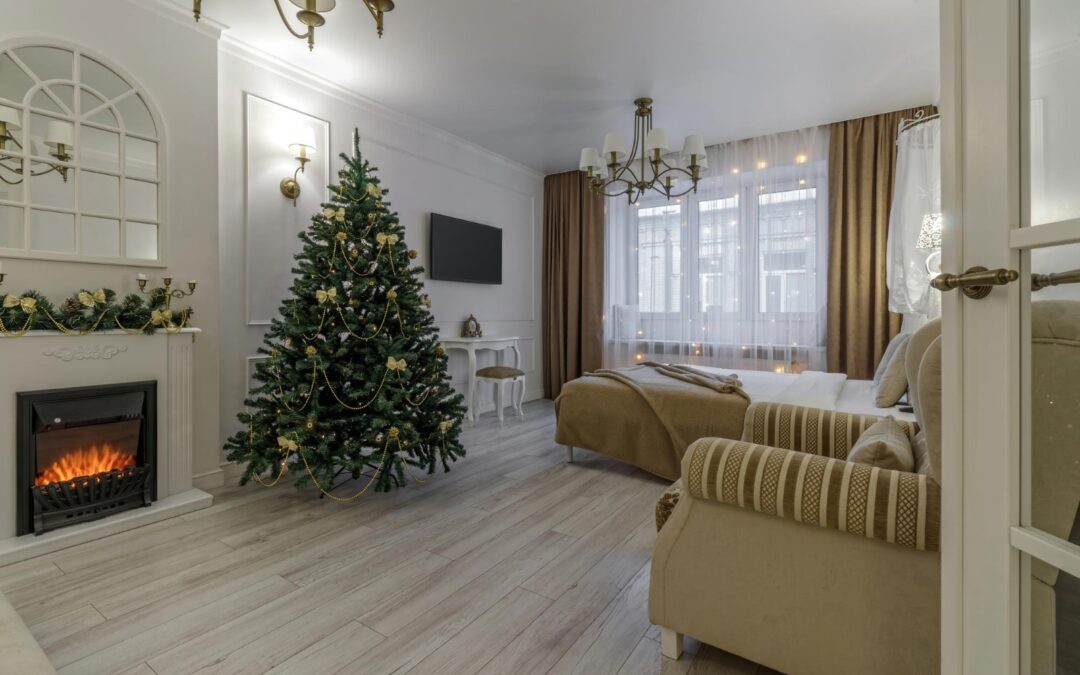
Introduction
When guests arrive during the holidays, they don’t walk in looking for perfection – but they do notice what feels off. A smudged front door, dusty floors, or a tired bathroom can quietly shape their entire impression. A smart holiday deep-clean isn’t about cleaning everything. It’s about cleaning the right things first.
What Is a “Guest-First” Holiday Deep-Clean?
A guest-first deep-clean focuses on the areas people see, touch, and use immediately. It’s different from routine cleaning, which often runs on schedules and checklists. This approach works backward from guest experience.
Think of it like preparing for an important meeting. You tidy your desk and meeting room – not the storage closet. The same logic applies here. During the holidays, time is limited and expectations are higher. Cleaning what guests notice first gives you the biggest return for the effort you put in.
Why Holiday Deep-Cleaning Matters More Than You Think
Holiday deep-cleaning does more than improve appearance.
First, it protects first impressions. Guests form opinions within seconds of entering a space, often without realizing it. Clean, well-maintained surfaces signal care and professionalism.
Second, it reduces complaints. During the holidays, people are more sensitive to details. What might be ignored in March feels glaring in December.
Third, it lowers safety risks. Winter moisture, salt, and extra foot traffic increase slip hazards. Clean, dry, well-lit areas help prevent accidents.
Finally, it protects the property itself. Salt residue, grime, and moisture can damage floors, fixtures, and finishes if left unchecked. Preventive cleaning costs far less than repairs later
How to Plan an Efficient Holiday Deep-Clean
Start with a Quick Walkthrough
Walk the property as if you’re arriving for the first time. Don’t overthink it. Ask one simple question in every area:
“What would I notice right away?”
If the answer is “dirt,” “clutter,” or “wear,” that area goes on the priority list.
Gather Only What You Need
Holiday deep-cleaning doesn’t require special tools. Most of the work can be handled with basics: microfiber cloths, a good vacuum, mop, glass cleaner, and disinfectant.
Keeping supplies centralized makes quick touch-ups easier throughout the season.
Break the Work into Blocks
Instead of trying to clean everything in one long session, group tasks by area. Entryways one day. Bathrooms another. This keeps the process manageable and prevents burnout.
The 7 Areas Guests Notice First
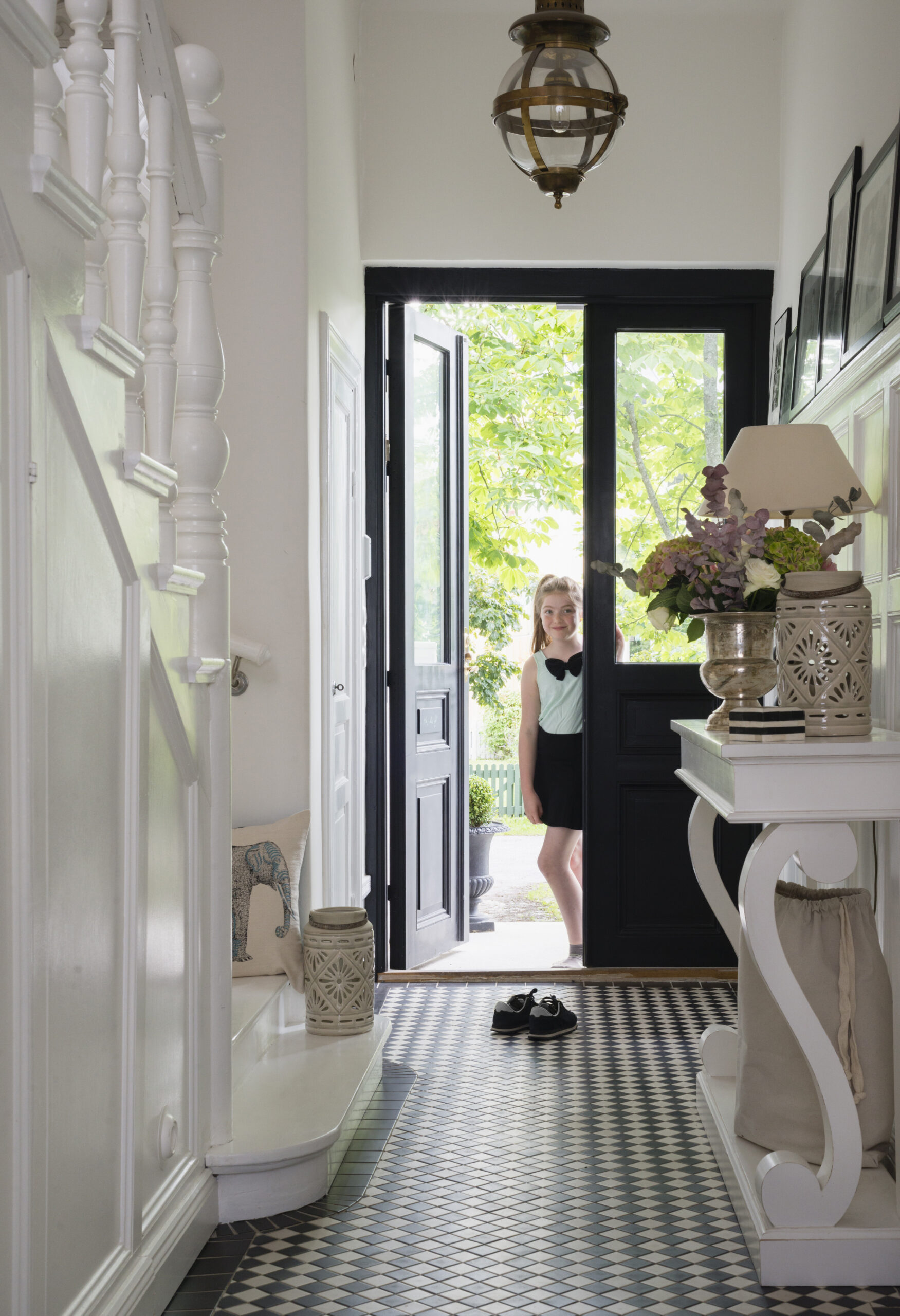
A clean, clutter-free entryway sets the tone for a positive guest experience and is often the first area noticed during holiday visits.
1. Entryways & Front Doors: The First Impression Zone
The entryway is where expectations are set.
Start with the front door itself. Wipe down both sides and clean handles, locks, doorbells, and switches. These are high-touch spots and get noticed immediately.
Check the threshold and surrounding floor area. Salt and dirt build up here faster than anywhere else. Welcome mats should be clean, flat, and in good condition. If they look worn or soaked, replace them.
Outside, steps and porches matter just as much as the interior. Clear debris, remove salt residue, and make sure lighting works properly. A clean, well-lit entry signals care before a guest even steps inside.
2. Floors & Flooring Transitions: The Visual Foundation
Floors quietly shape how clean a space feels.
Focus first on high-traffic paths – hallways, main walkways, and areas leading from the entryway. Remove visible dirt, salt stains, and scuffs.
Baseboards and corners deserve attention too. Guests may not consciously look at them, but dirty edges make a room feel neglected.
Transitions between rooms matter more than people expect. Clean thresholds and strips between flooring types help the space feel finished rather than pieced together.
3. Bathrooms: Where Standards Are Highest
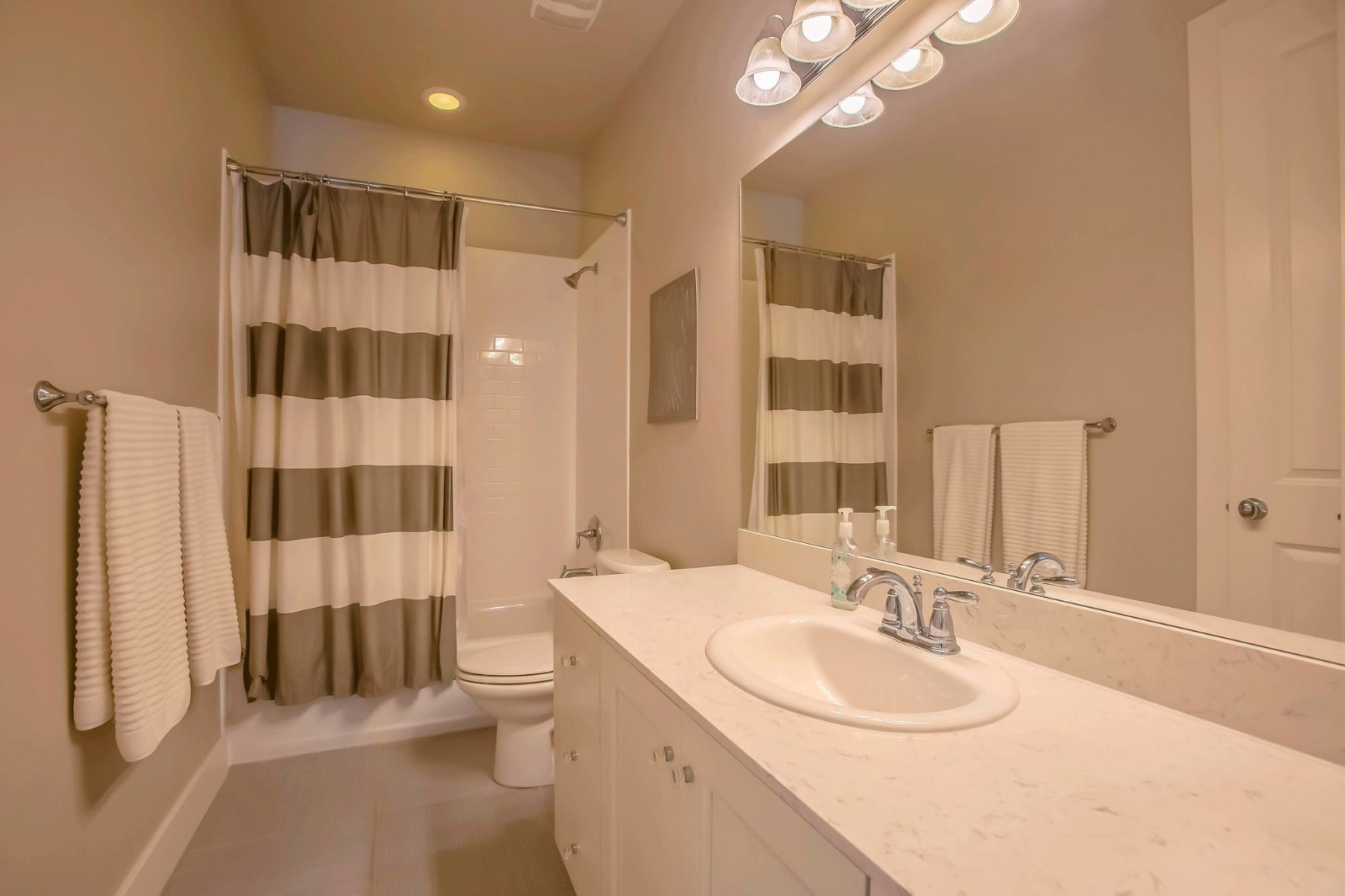
Bathrooms are closely inspected by guests, making spotless fixtures, streak-free mirrors, and fresh towels essential to a positive stay.
Bathrooms are inspected, not glanced at.
Start with toilets, sinks, and faucets. Clean thoroughly, including the base of the toilet and the wall behind it – areas that are often skipped.
Shower walls, tubs, and grout lines need extra care. Soap residue and discoloration stand out quickly under bathroom lighting.
Mirrors should be streak-free. Fixtures should be polished, not just wiped. Check ventilation fans and make sure the space smells clean – not masked with heavy fragrance.
Finish by restocking soap, paper products, and fresh towels. These small details do more for guest confidence than people realize.
4. Kitchens & Dining Areas: Cleanliness Builds Trust
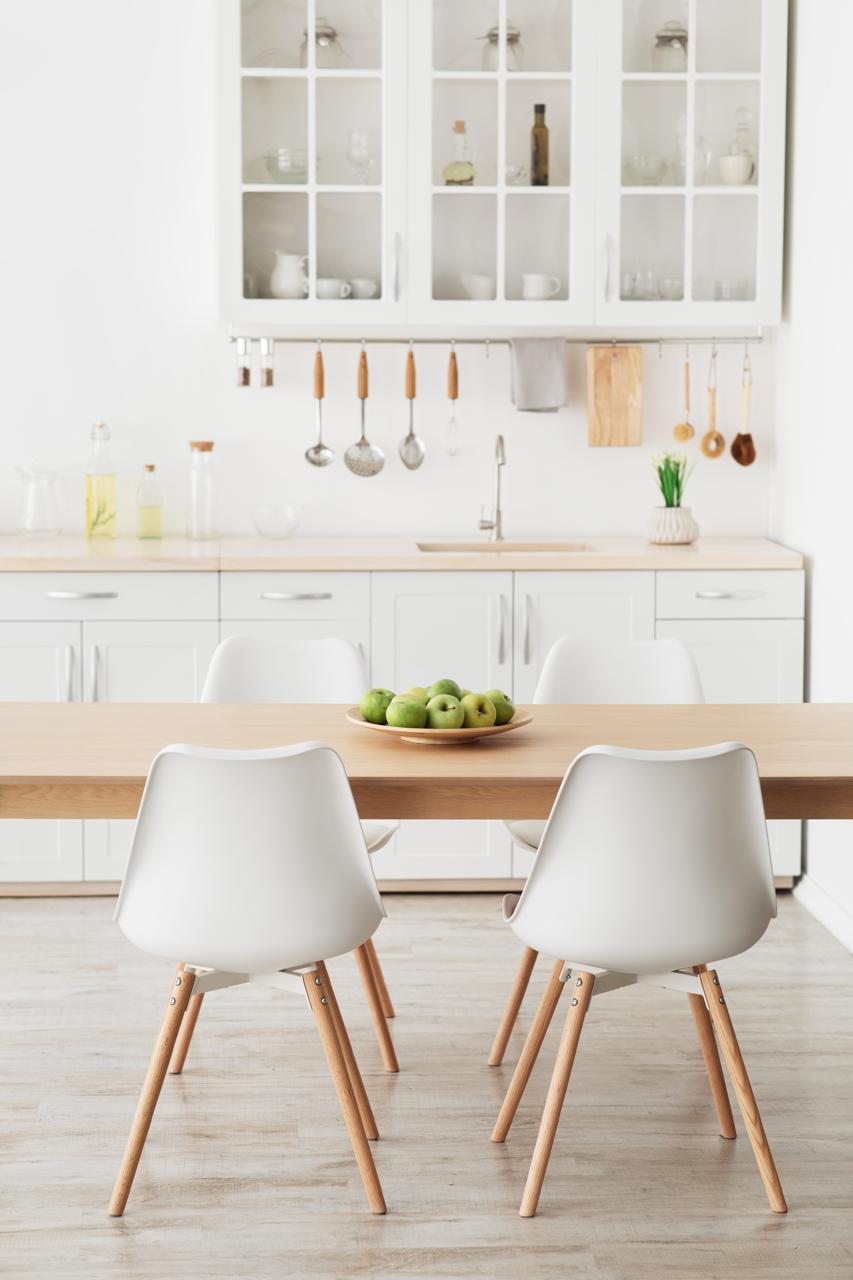
A clean kitchen and dining area reassures guests that shared surfaces, tables, and frequently touched areas have been thoroughly cleaned.
Guests may not cook, but they absolutely notice whether a kitchen feels clean.
Clear and wipe countertops completely. Clean backsplashes and sink areas where splashes and residue collect.
Appliance exteriors matter more than interiors here. Fingerprints on fridge doors or oven handles send a strong signal that cleaning was rushed.
Dining tables and chairs should be wiped thoroughly, including chair backs and legs. These are touched often and easily overlooked.
A clean kitchen doesn’t just look better – it builds trust.
5. Windows, Mirrors & Glass: Light Makes Everything Visible
Clean glass amplifies light and makes spaces feel open.
Wipe fingerprints and streaks from windows, patio doors, and mirrors – especially in entryways and bathrooms. Don’t forget window frames and tracks, which quietly collect dust.
When glass is clean, the entire room feels fresher, even if nothing else changes.
6. Living Rooms & Shared Spaces: The Comfort Zone
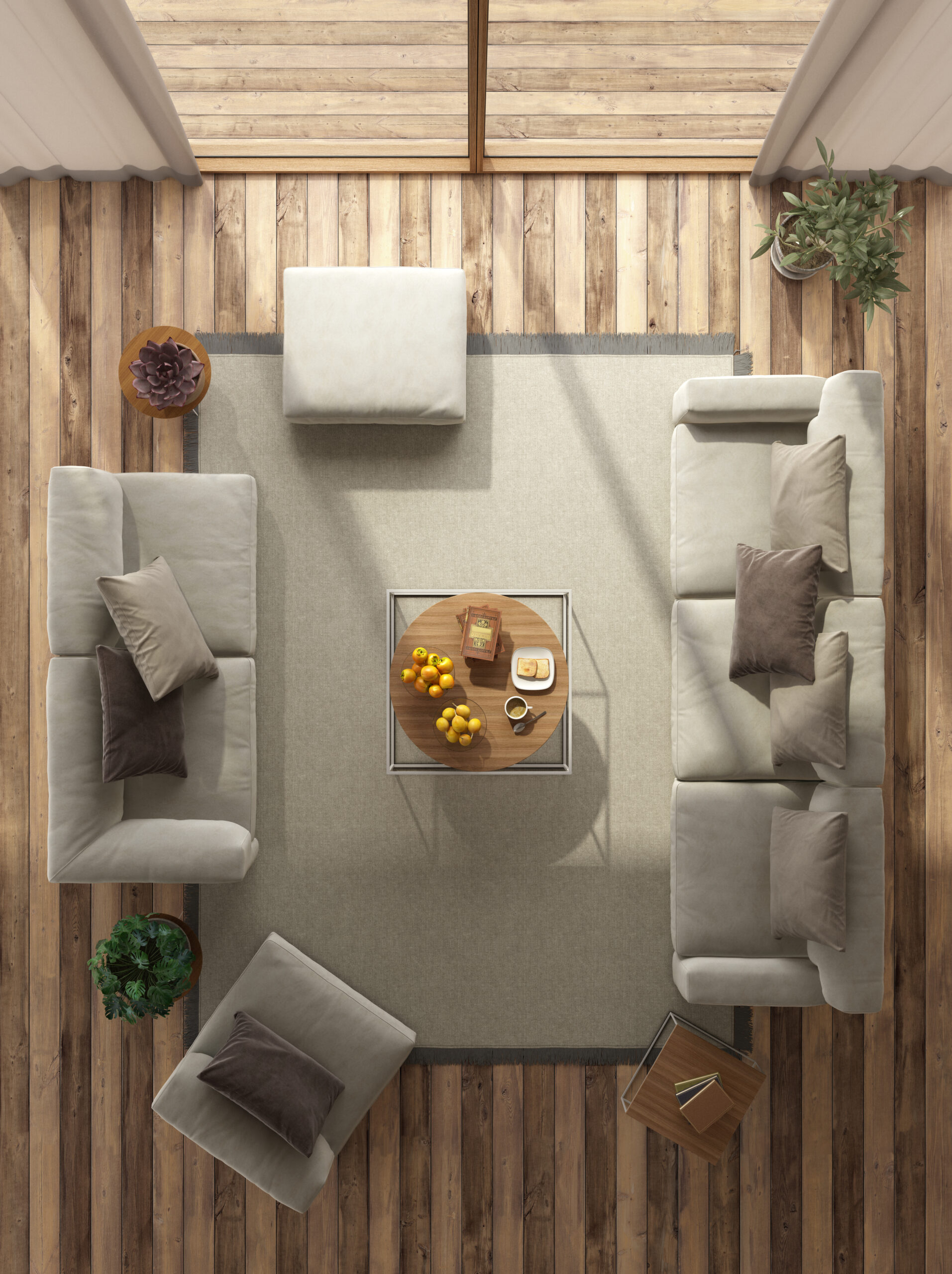
Clean, uncluttered living rooms help guests relax and feel comfortable in shared spaces where time is spent, not just passed through.
Shared spaces are where guests spend time, not just pass through.
Vacuum upholstery, including under cushions. Remove pet hair, lint, and crumbs that collect in seams.
Dust visible surfaces like coffee tables, shelves, and TV stands. Electronics tend to attract dust and draw the eye.
Clear clutter. A few extra items on a table can make a room feel chaotic during an already busy season.
7. High-Touch Points: The Details That Seal the Impression
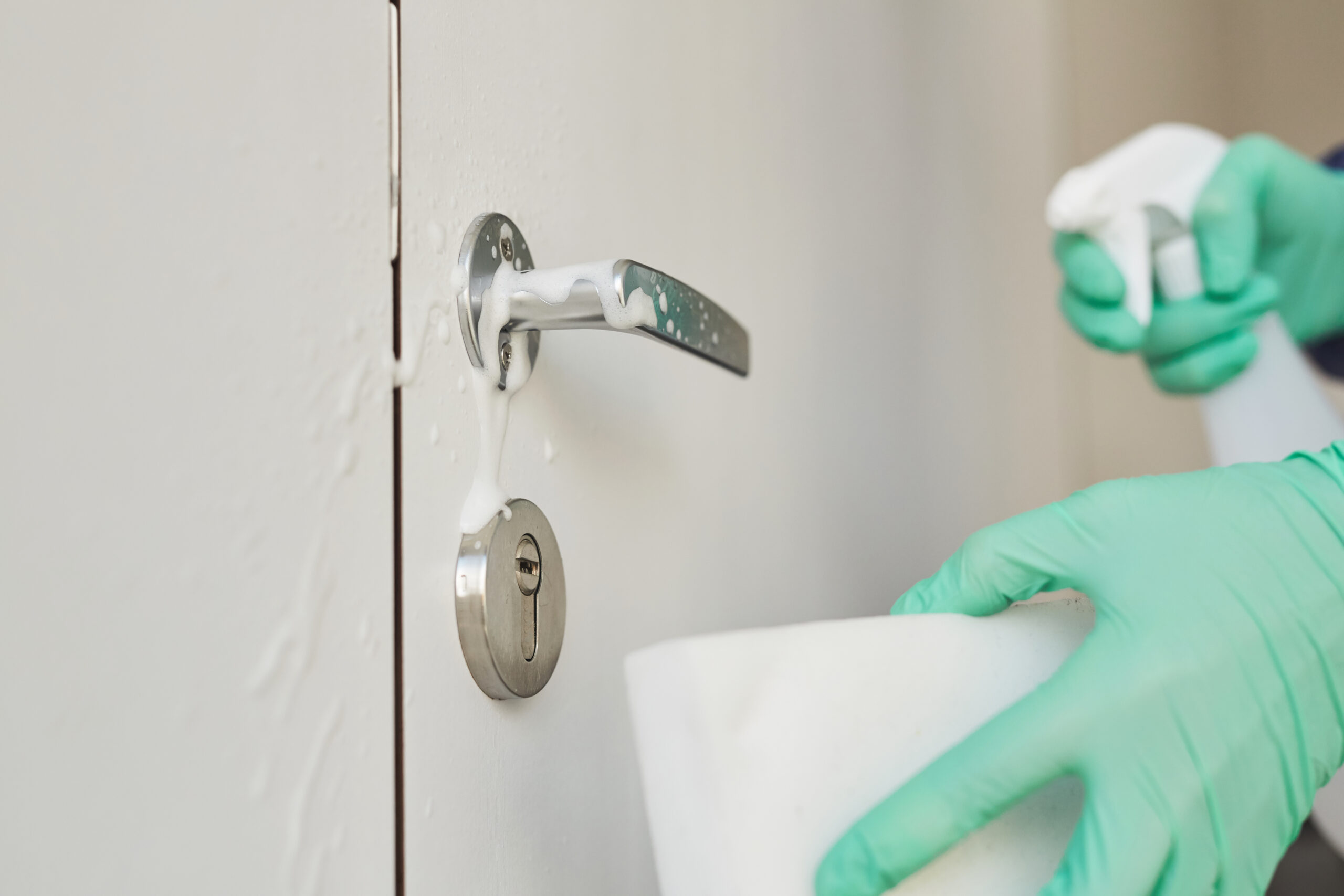
Disinfecting high-touch points like door handles helps reinforce cleanliness and care that guests notice subconsciously.
This final pass ties everything together.
Disinfect light switches, door handles, thermostats, and control panels. These are touched often and noticed subconsciously.
Empty trash bins, replace liners, and restock essentials like soap, paper towels, and toilet paper.
These details take minutes but reinforce the feeling that the property is well cared for.
How to Keep the Property Guest-Ready All Season
The secret isn’t deep-cleaning repeatedly – it’s light, consistent upkeep.
A five-minute check of entryways, bathrooms, and kitchens each day prevents buildup. Small touch-ups are faster and more effective than waiting for messes to grow.
Keep basic supplies accessible so issues can be handled immediately instead of postponed.
DIY vs Professional Holiday Cleaning: What Makes Sense?
DIY cleaning works well for smaller spaces or low guest turnover.
Professional cleaning makes sense when:
- Time is limited
- Properties are multi-unit or commercial
- Safety and consistency matter
- Appearance impacts reputation
The decision isn’t just about cost. It’s about reliability, time saved, and peace of mind during a busy season.
When Should You Schedule a Holiday Deep-Clean?
Ideally, schedule a deep-clean one to two weeks before major holidays. This allows time for touch-ups closer to guest arrivals.
For larger properties or shared buildings, earlier planning helps avoid last-minute stress when cleaning schedules fill up.
Final Thoughts
A holiday deep-clean doesn’t need to be overwhelming to be effective. By focusing on the seven areas guests notice first, you create a space that feels welcoming, safe, and well maintained – without wasting time on low-impact tasks.
Clean what guests see. Maintain what they use. And let the rest take care of itself.
Frequently Asked Questions
Q: How far in advance should I deep-clean before guests arrive?
A: One to two weeks is ideal, followed by light touch-ups closer to arrival.
Q: What areas do guests notice most if cleaning is skipped?
A: Entryways, bathrooms, floors, and kitchens are noticed immediately.
Q: Is holiday deep-cleaning different from regular cleaning?
A: Yes. It focuses on visibility and first impressions rather than routine schedules.
Q: Should rental properties be deep-cleaned during the holidays?
A: Yes. It reduces complaints and protects property conditions during peak use.
Q: How can I control odors without masking them?
A: Clean the source – drains, bins, damp surfaces – before using fragrance.