
1. Introduction
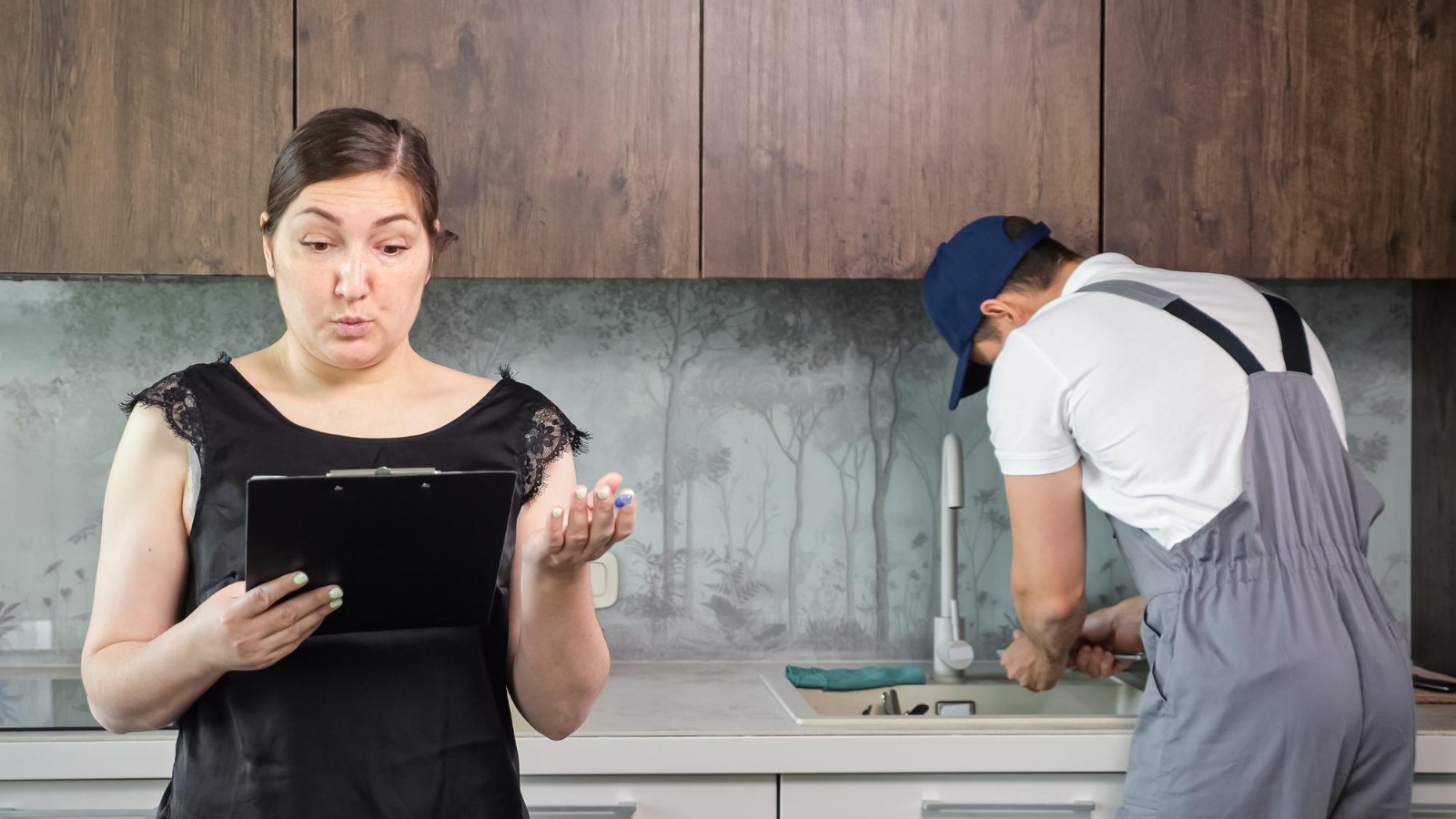
A homeowner reviews plumbing service details as a technician carries out a kitchen sink repair.
Managing a rental property is a lot like maintaining a car. Skip routine care, and everything seems fine – until one day it breaks down at the worst possible moment. Property maintenance works the same way. Small oversights quietly grow into expensive, stressful problems. This guide walks through the most common property maintenance mistakes landlords make and shows how to avoid them before they hurt your bottom line.
2. What Are Property Maintenance Mistakes?
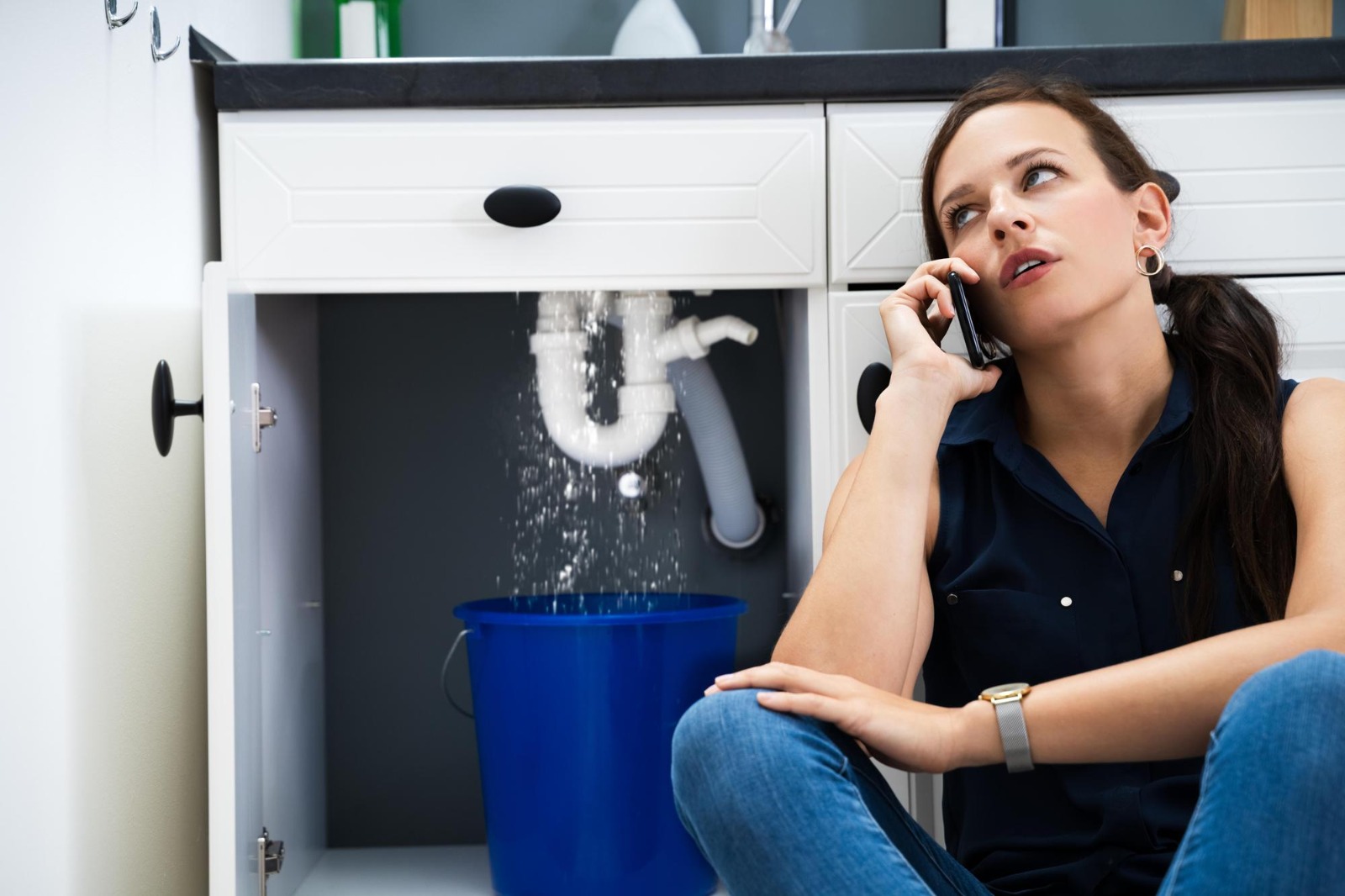
A homeowner calls a plumber after noticing a water leak under the kitchen sink.
Property maintenance mistakes are not always dramatic failures. More often, they are quiet decisions to delay, overlook, or “temporarily fix” issues that need proper attention. These include skipping inspections, postponing small repairs, failing to document work, or hiring the cheapest contractor without vetting quality.
Most rental property maintenance mistakes happen because of time pressure, budget concerns, or false confidence that a problem can wait. Buildings rarely fail overnight. They whisper first – a slow drip, a faint crack, a weak fan – before they shout through leaks, safety hazards, and emergency calls. When these small warnings are ignored, maintenance mistakes stack up and become costly, risky, and stressful.
3. Why Property Maintenance Matters for Landlords
Maintenance is not just about keeping a property looking good. It protects income, reduces risk, and preserves long-term value.
From a cost perspective, preventive care keeps expenses predictable. Fixing a minor leak today is far cheaper than replacing damaged floors and drywall later. Addressing rental property maintenance issues early prevents emergency call-outs and tenant disruption.
Maintenance also plays a major role in tenant retention. Fast, consistent repairs build trust. Ignored issues lead to tenant complaints, maintenance issues – and turnover is expensive.
Legal exposure is another factor. Landlord maintenance responsibilities include providing a safe, habitable space. When hazards cause injury or damage, landlord liability for maintenance can escalate quickly.
Finally, consistent upkeep protects asset value. Well-maintained properties age slowly. Neglected ones decay faster and erode long-term returns.
4. Most Common Property Maintenance Mistakes Landlords Make
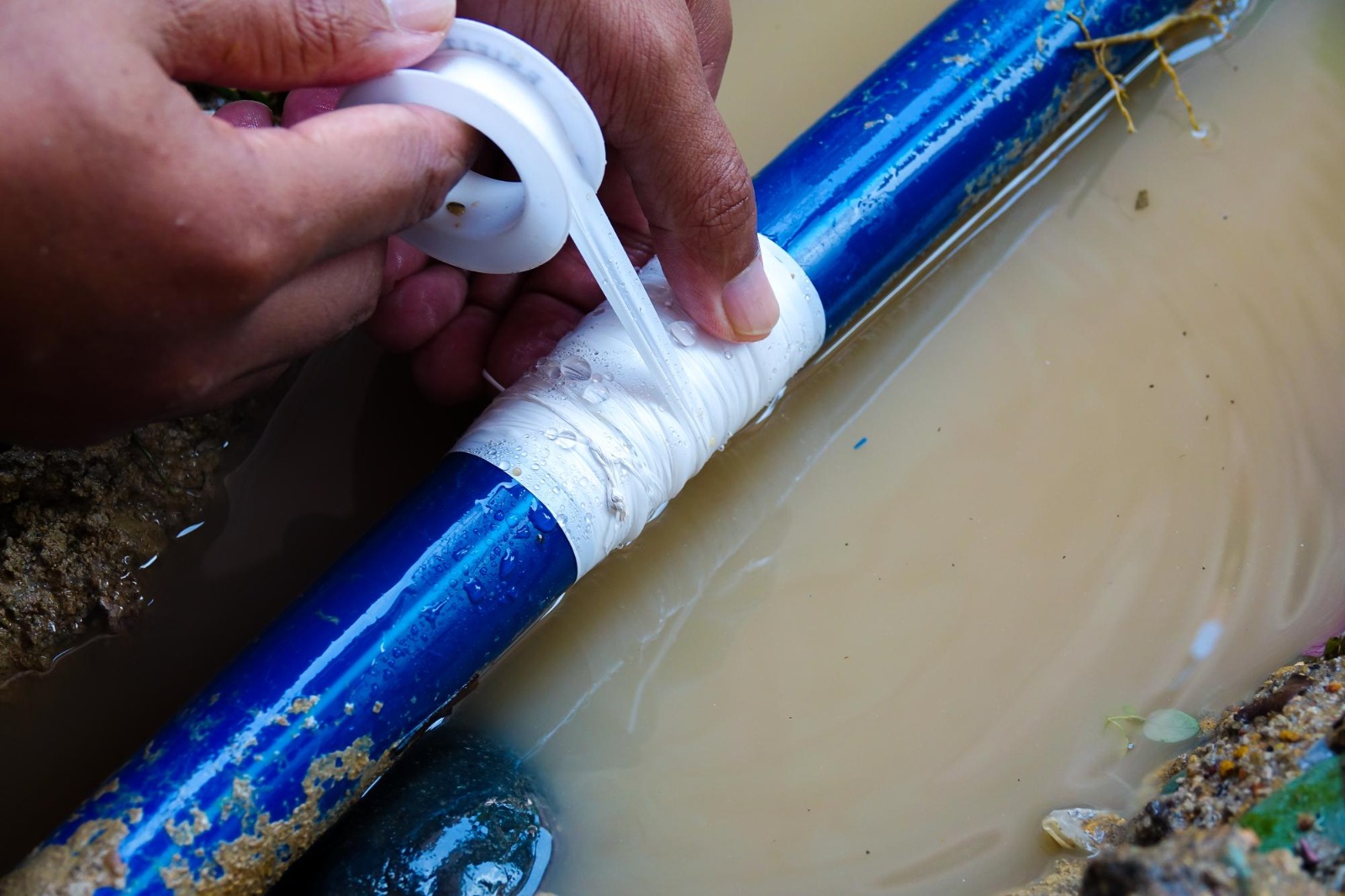
A leaking water pipe is temporarily sealed using plumber’s tape during a plumbing repair.
4.1 Ignoring Preventive Maintenance
One of the biggest landlord maintenance mistakes is waiting for things to break before acting. Preventive maintenance for rental properties means planning small, routine tasks – filter changes, drain checks, alarm testing, ventilation inspections – before problems start.
Prevention often feels optional until it isn’t. A loose toilet base can leak into subflooring. A clogged downspout can push water toward the foundation. These issues stay hidden until damage becomes expensive.
A consistent preventive routine reduces deferred maintenance risks. A good example of how a small task can prevent major damage is explained in this article on preventive maintenance, especially around seasonal water management.
Tip: Schedule 5 – 10 recurring tasks right now. If it’s not on a calendar, it usually doesn’t happen.
4.2 Delaying Small Repairs Until They Become Expensive
This is where costly maintenance mistakes landlords make usually begin. A tiny leak, a hairline crack, or a flickering light doesn’t feel urgent – so it gets delayed. But time fuels property damage.
A slow leak becomes rot and mold. A loose railing becomes a safety hazard. Minor electrical issues can turn dangerous quickly. Rental property damage prevention starts with fixing issues while they are still small and contained.
Rule of thumb:
- Water, electrical, or safety issues → same day
- Heating, plumbing function → 24 – 48 hours
- Cosmetic issues → schedule, don’t ignore
4.3 Skipping Regular Property Inspections
Skipping inspections is one of the most common property maintenance mistakes landlords make – especially when tenants are quiet and rent is paid on time. Quiet does not always mean “no issues.” It often means problems are hidden.
Regular inspections reveal leaks under sinks, worn seals, ventilation failures, pest activity, and trip hazards. They also protect against disputes by creating a clear record of property conditions.
A structured inspection checklist helps standardize what to look for and strengthens documentation.
Best practice: Inspect every 6 months for stable properties; every 3 months for older or high-turnover rentals.
4.4 Poor Documentation of Repairs and Maintenance
Poor documentation is a silent risk. It rarely causes trouble until proof is needed – then it becomes a serious problem. Missing records weaken insurance claims, complicate disputes, and lead to repeat repairs because no one knows what was done before.
Good documentation supports compliance, warranties, budgeting, and legal protection. It doesn’t need to be complex. A repair log, a few photos, and saved invoices are enough.
After each repair, save:
- Before-and-after photos
- Contractor name and invoice
- Date and short repair notes
4.5 Hiring Unqualified or Cheapest Contractors
Choosing the cheapest option often leads to shortcuts. Poor workmanship causes repeat failures, safety issues, and higher long-term costs – especially for plumbing, electrical, or structural work.
Common outcomes include leaks that return, improper wiring, patch jobs that fail, and tenant frustration. Quality work done once is part of landlord maintenance best practices.
Always check: insurance, similar work experience, and written warranty.
4.6 Neglecting Seasonal Maintenance Tasks
Seasonal maintenance is not optional – it’s a core defense against deferred maintenance risks.
- Winter: frozen pipes, ice buildup, heating strain
- Spring: drainage issues, moisture intrusion
- Summer: AC wear, pests, exterior damage
- Fall: sealing, gutter clearing, winter prep
Keeping water away from the building is especially critical. That’s why gutter cleaning protects foundations, roofs, and walkways – not just appearances.
4.7 Overlooking Exterior and Common Areas
Exterior and common areas are safety-critical and highly visible. Slippery steps, poor lighting, cracked walkways, and drainage issues lead to complaints and injury risk faster than interior cosmetic problems.
Monthly exterior walk-arounds with photos help spot gradual changes and prevent accidents.
5. Legal and Financial Risks of Poor Maintenance

Clients carefully review and discuss contract terms with a professional advisor before proceeding.
Poor maintenance is not just inconvenient – it can become legally and financially dangerous. Landlord maintenance legal responsibilities include providing a safe, habitable property. Ignored hazards can result in injuries, disputes, and liability.
If damage occurs due to neglect, landlord liability for maintenance may apply. Insurance claims can also be denied when deferred maintenance risks are evident or documentation is weak.
Financial consequences often include emergency repair costs, higher vacancy rates, reputational damage, and tenant disputes. Most rental property maintenance laws don’t expect perfection – but they do expect timely, reasonable care.
6. Maintenance Mistakes That Lead to Tenant Complaints
Slow Response to Maintenance Requests
Silence creates anxiety. Even when repairs take time, acknowledging requests quickly builds trust.
Repeated Temporary Fixes
Band-aid repairs erode confidence. Tenants want permanent solutions, not repeated patches.
Poor Communication
Clear updates reduce conflict. Share what’s happening, when it will be fixed, and what the tenant needs to do.
7. How to Avoid Common Property Maintenance Mistakes
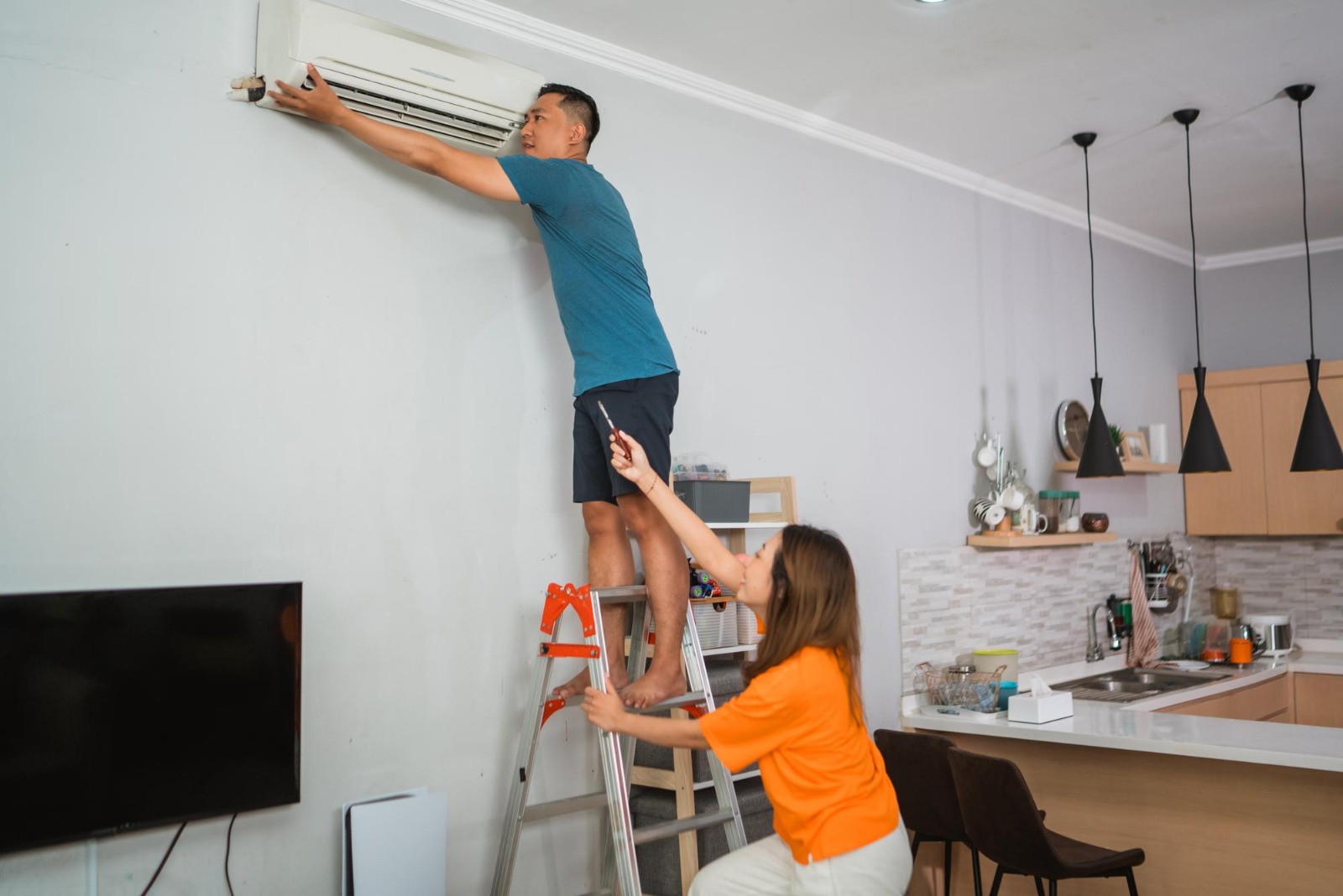
A wall-mounted air conditioner is adjusted during a home installation with assistance for safety and accuracy.
Creating a Preventive Maintenance Plan
A rental property preventive maintenance plan should cover safety systems, water control, HVAC, and exterior drainage – kept realistic and repeatable.
Setting Clear Maintenance Priorities
Prioritize safety, water intrusion, heating/cooling, pests, then cosmetic items.
Keeping a Maintenance Schedule and Checklist
A simple property maintenance checklist for landlords – monthly, quarterly, and seasonal – keeps nothing forgotten.
Tracking Repairs, Costs, and Contractors
Tracking turns chaos into a system. Over time, patterns emerge and failures can be prevented.
8. DIY vs. Professional Maintenance: Common Misjudgments
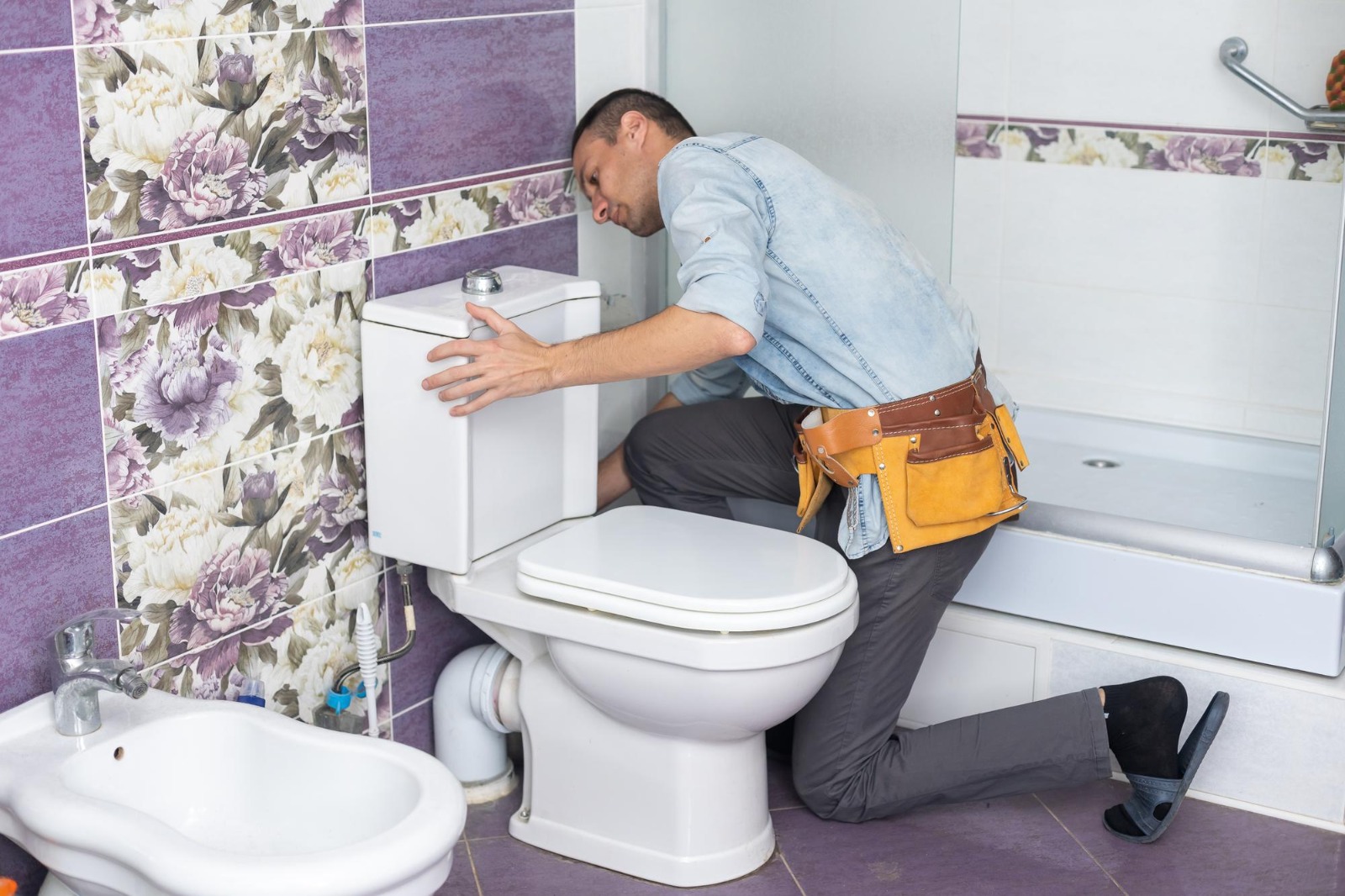
A plumber performs toilet inspection and repair as part of residential bathroom maintenance.
DIY works for low-risk tasks like filters, hardware tightening, minor caulking, and paint touch-ups. But when a mistake could cause flooding, injury, or code violations, DIY becomes expensive.
Complex plumbing, electrical work, roof issues, mold, and structural repairs should involve professional maintenance – especially when managing multiple properties.
9. Best Practices for Long-Term Property Maintenance
Successful landlords rely on systems, not emergencies.
- Budget monthly for maintenance
- Fix root causes, not symptoms
- Standardize materials and processes
- Review logs yearly to plan upgrades
- Protect exteriors aggressively
Maintenance isn’t lost money – it’s money spent to avoid bigger losses later.
10. Tools and Systems That Help Landlords Stay Organized
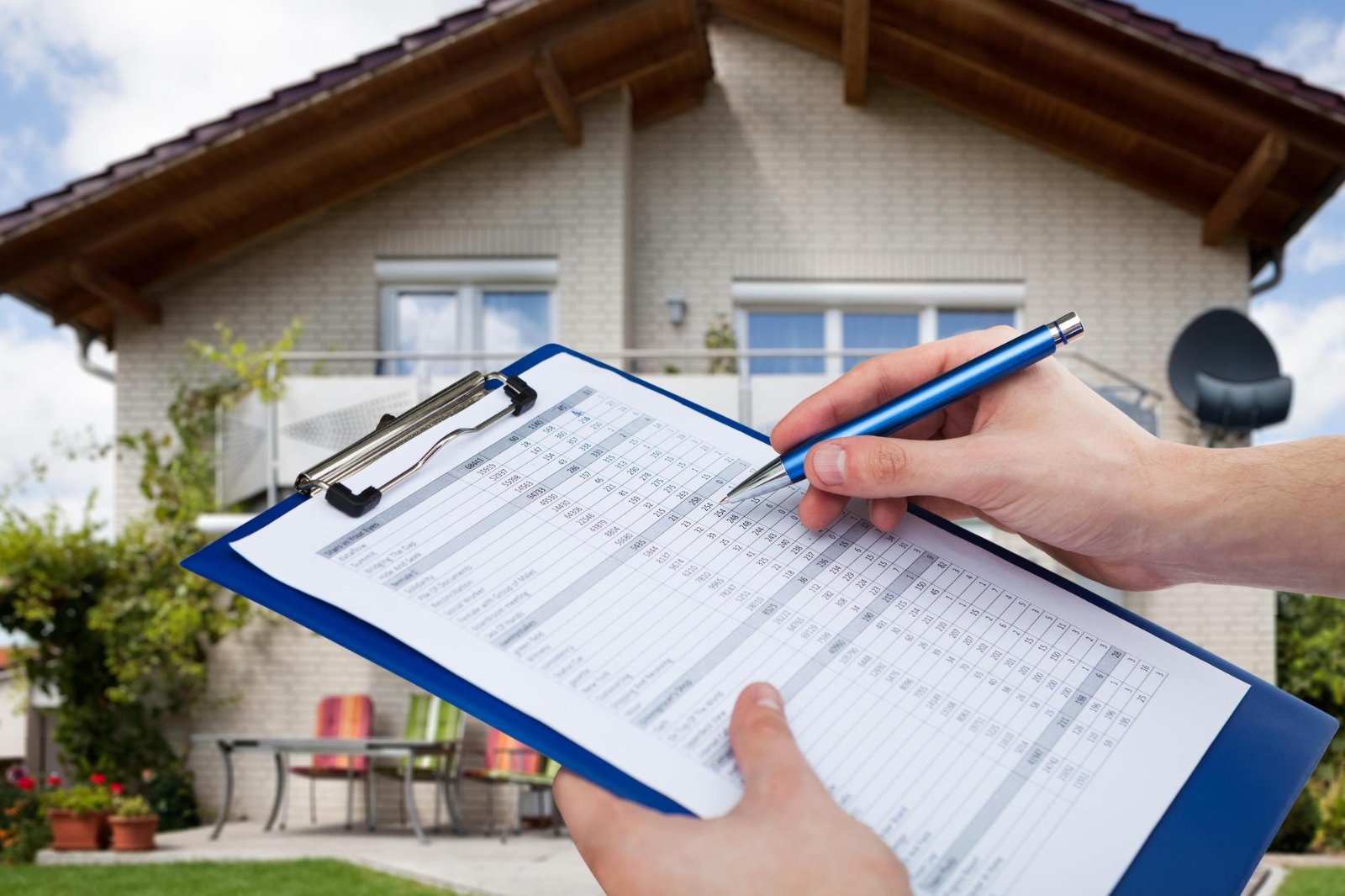
A property inspection checklist is reviewed during a residential home assessment.
Maintenance logs, inspection photos, and centralized communication tracking reduce errors and disputes. Using a structured inspection checklist improves consistency and protection.
11. When to Outsource Property Maintenance
If emergency calls increase, seasonal tasks slip, or stress builds, it may be time to outsource.
Professional services provide consistency, documentation, and predictable response times. If you’re exploring options, you can get a quote to compare solutions and plan ahead.
12. Frequently Asked Questions
Q: What is the most common maintenance mistake landlords make?
A: Ignoring preventive maintenance.
Q: How often should landlords inspect rental properties?
A: Every 6 months for stable units; more often for older or high-turnover properties.
Q: Can poor maintenance lead to legal trouble?
A: Yes. Ignored hazards increase landlord liability for maintenance.
Q: Which repairs should be fixed immediately?
A: Water leaks, electrical hazards, heating failures, broken locks, and safety issues.
Q: Is preventive maintenance worth the cost?
A: Almost always – it prevents emergencies and reduces long-term expenses.
Q: Should landlords handle maintenance themselves or outsource it?
A: DIY small tasks; outsource complex, risky, or time-sensitive work.
Q: How do maintenance issues affect tenant retention?
A: Fast, proper repairs build trust. Delays and temporary fixes drive tenants away.