
1. Introduction
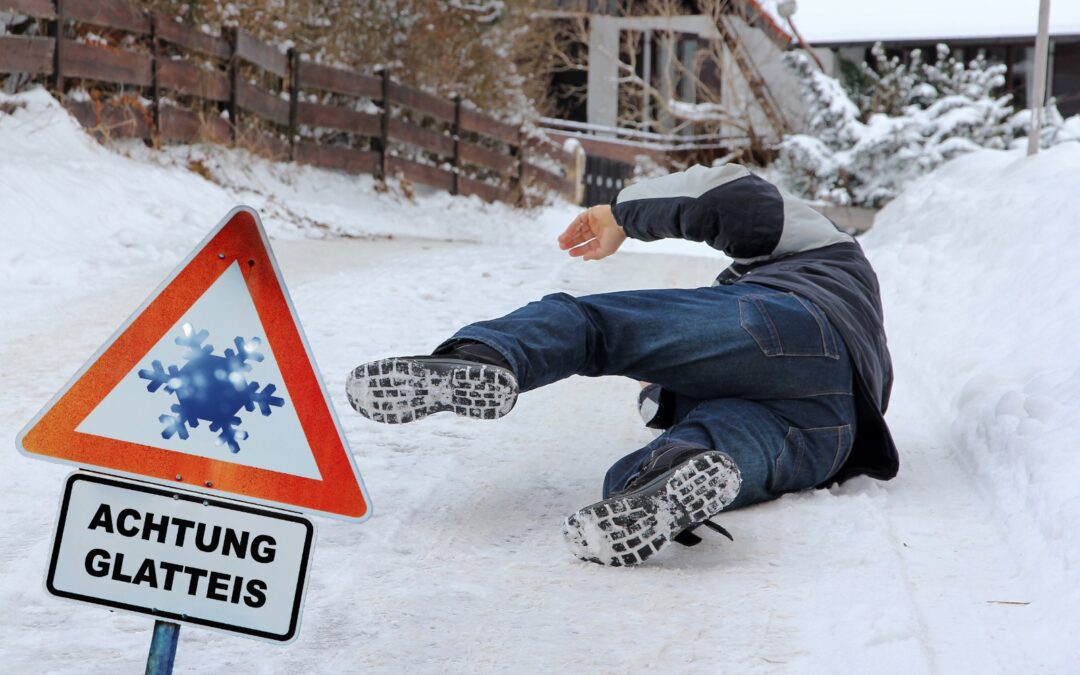
Winter in the Greater Toronto Area brings snow, ice, and rapidly changing conditions that significantly increase slip-and-fall incidents. For property owners, landlords, and managers, these incidents can quickly turn into costly legal claims. Without proper winter maintenance and planning, even small oversights can create serious financial and liability exposure.
2. What Is Slip-and-Fall Liability in Ontario?
A slip-and-fall incident occurs when someone is injured after slipping or tripping on an unsafe surface, such as ice-covered sidewalks, wet entryways, or poorly maintained stairs. In Ontario, property owners have a legal duty to take reasonable care to keep their premises safe for anyone who may enter the property.
Liability arises when an injured person can show that a hazardous condition existed and that the property owner failed to address it within a reasonable timeframe. Winter conditions increase legal exposure because hazards like ice and snow are predictable, recurring, and well-documented risks. Courts often expect property owners to anticipate winter dangers and respond proactively, rather than reacting only after an incident occurs.
3. Why Slip-and-Fall Risk Is Higher in GTA Winters
GTA winters create a perfect storm of conditions that elevate slip-and-fall risk. Snowfall, freezing rain, compacted ice, and black ice are common across residential and commercial properties. Even after snow is cleared, melting during the day followed by overnight freezing can create hidden hazards.
Freeze-thaw cycles are especially dangerous because water pools from melting snow often refreeze in unexpected places such as near entrances, downspouts, ramps, and parking areas. Winter also brings heavier foot traffic as people move quickly between buildings, vehicles, and transit. Shorter daylight hours and poor visibility further increase risk, making it harder for pedestrians to see ice or uneven surfaces. Together, these factors make winter one of the highest-risk seasons for property-related injuries and claims.
4. Who Is Legally Responsible for Winter Safety?
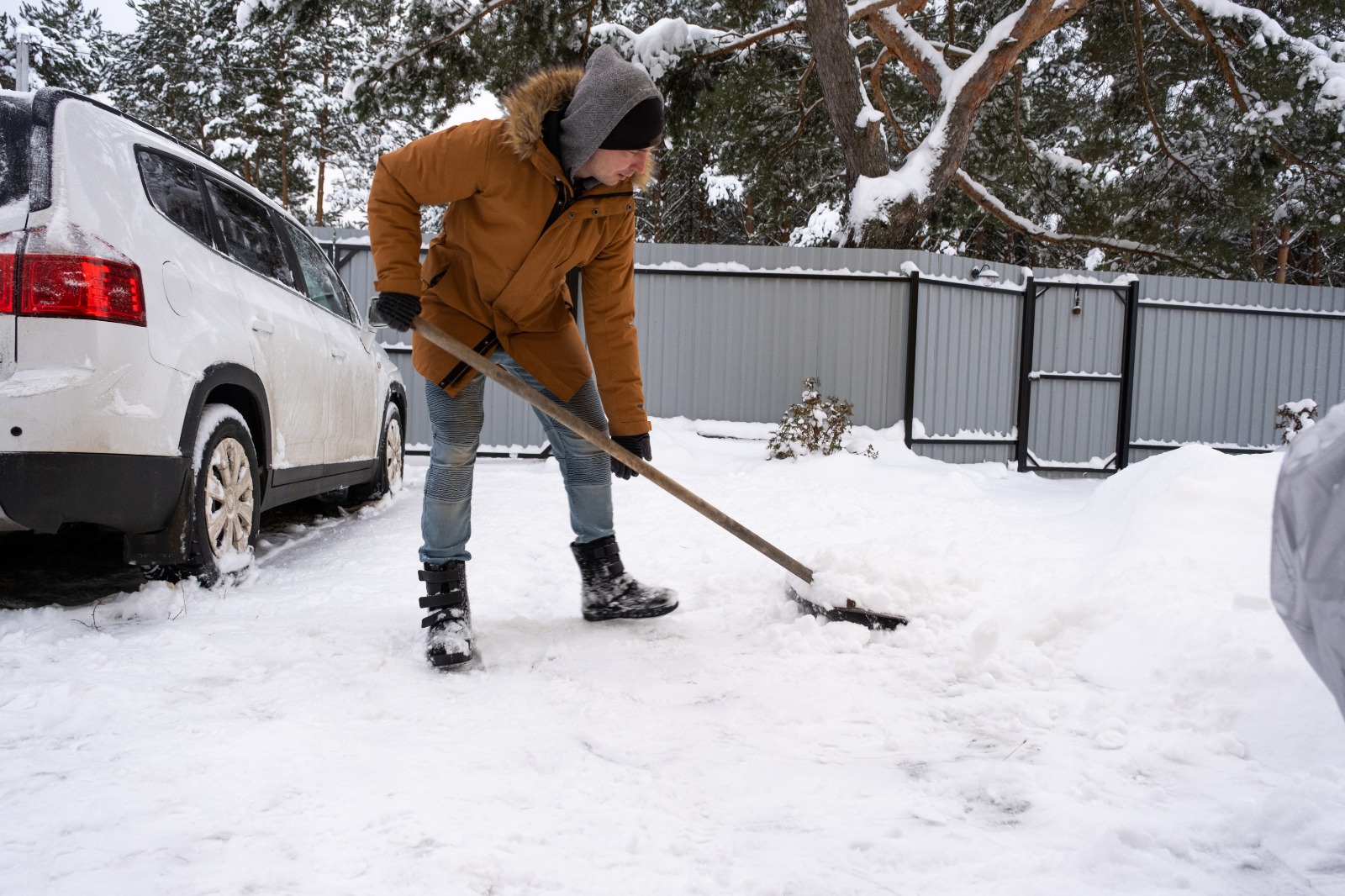
Timely snow removal helps property owners reduce slip-and-fall risks and meet winter safety responsibilities.
Winter safety responsibility varies depending on the type of property, but in most cases, owners retain primary accountability.
4.1 Homeowners
Homeowners are typically responsible for clearing snow and ice from driveways, walkways, and sidewalks adjacent to their property. Entry points, steps, and private pathways must also be kept reasonably safe. Even for single-family homes, failure to maintain these areas can result in liability if a visitor or delivery worker is injured.
4.2 Landlords & Rental Property Owners
For rental properties, landlords are usually responsible for common areas such as entrances, hallways, stairs, parking lots, and shared walkways. While leases may assign some duties to tenants, courts often still hold owners accountable if maintenance is inadequate or poorly documented.
4.3 Commercial Property Owners & Managers
Commercial properties carry the highest duty of care due to public access. Owners and managers must maintain sidewalks, parking areas, loading zones, accessibility routes, and building entrances. Higher foot traffic means courts expect more frequent inspections and faster responses.
5. Common Winter Hazards That Lead to Lawsuits
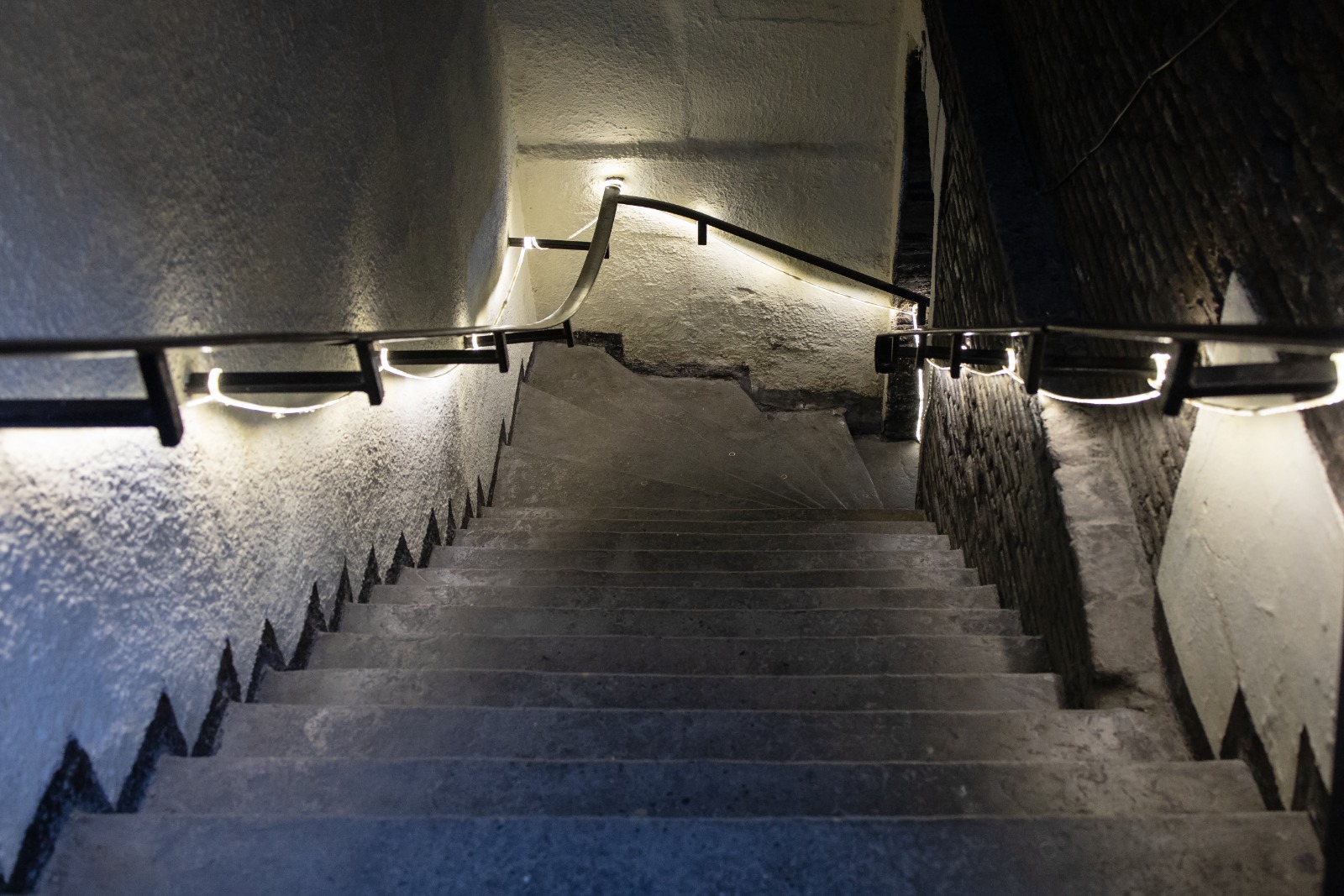
Poor lighting and stairway conditions increase slip-and-fall risk, especially in shared residential and commercial buildings.
Many winter slip-and-fall claims stem from preventable maintenance issues. One of the most common causes is delayed snow or ice removal, where surfaces remain hazardous long after a snowfall has ended. Courts often examine how quickly action was taken and whether follow-up inspections occurred.
Blocked or poor drainage is another frequent problem. Meltwater from roofs, downspouts, or uneven pavement can refreeze overnight, creating black ice in high-traffic areas. Slippery steps, ramps, and walkways, especially those without proper traction, also pose significant risk.
Poor lighting compounds winter hazards by reducing visibility during early mornings and evenings. Finally, inadequate warning signage, such as missing caution signs in wet entryways, can weaken a property owner’s defense. Individually, these issues may seem minor-but together, they often form the basis of successful liability claims.
6. High-Risk Areas Courts Examine First
When evaluating slip-and-fall cases, courts focus closely on specific areas where incidents most often occur. Sidewalks and pedestrian pathways are examined for snow clearing timelines, ice buildup, and maintenance consistency. Building entrances and exits receive heavy scrutiny because they are transition zones where snow and slush are commonly tracked inside.
Parking lots and pedestrian routes between vehicles are another high-risk area, particularly when snow piles block drainage or walking paths. Courts also look carefully at stairs, handrails, ramps, and loading zones, where uneven surfaces or ice accumulation increase fall severity. These locations are expected to receive heightened attention because property owners know-or should know-that they present elevated winter risk.
7. How to Reduce Slip-and-Fall Liability in Winter
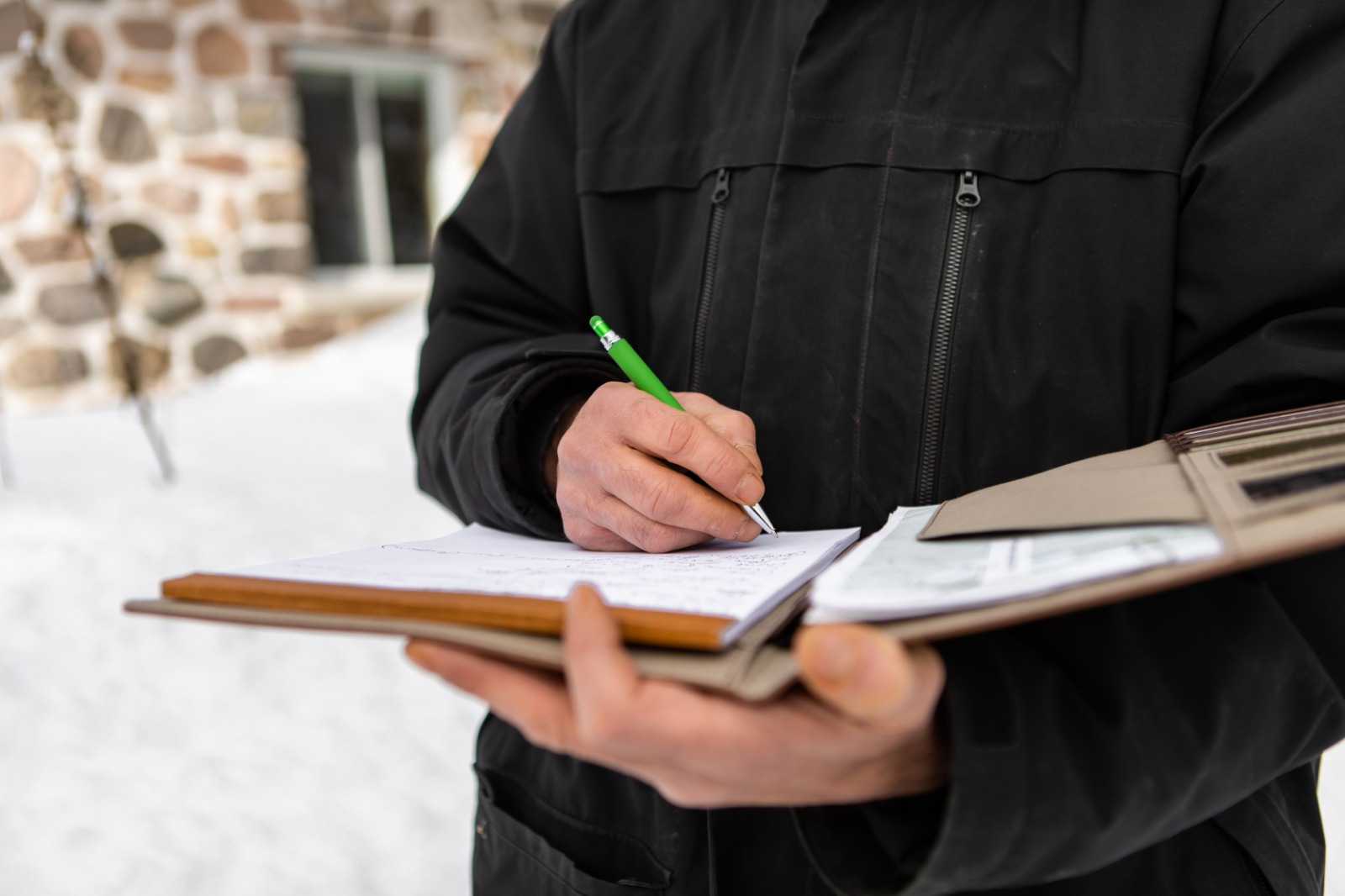
Accurate maintenance logs and inspection records are critical evidence in slip-and-fall liability cases.
Reducing winter liability requires consistent, documented action-not one-time fixes.
7.1 Timely Snow and Ice Removal
Speed matters. Snow and ice should be removed promptly after snowfall ends and revisited throughout the day as conditions change. Courts assess whether removal was done within reasonable timelines and whether refreezing was addressed.
7.2 Proper Salting and De-Icing Practices
Using appropriate de-icing materials helps prevent ice without damaging surfaces. Salt should be applied evenly and re-applied as needed, especially after melting and refreezing. Over-salting or neglecting shaded areas can still create hazards.
7.3 Ongoing Inspections During Winter
Winter maintenance isn’t “set and forget.” Regular inspections-especially after storms, temperature changes, or heavy foot traffic-are critical. Monitoring ensures new hazards are identified before incidents occur.
7.4 Drainage and Water Control
Effective drainage prevents meltwater from pooling and refreezing. Downspouts, slopes, and low-lying areas should be checked frequently. Addressing drainage issues significantly reduces black ice formation, one of the leading causes of winter falls.
8. Documentation That Protects Property Owners
Documentation is often the difference between defending a claim and facing liability. Maintenance logs should record when snow was cleared, ice was treated, and inspections were performed. Service invoices and contractor records help demonstrate that qualified professionals were engaged.
Photos with time stamps provide powerful evidence, especially when taken immediately after maintenance work. Courts value clear records that show a consistent, proactive approach to winter safety. Without documentation, even well-maintained properties can be difficult to defend legally.
9. DIY vs Professional Winter Maintenance: What’s Safer?
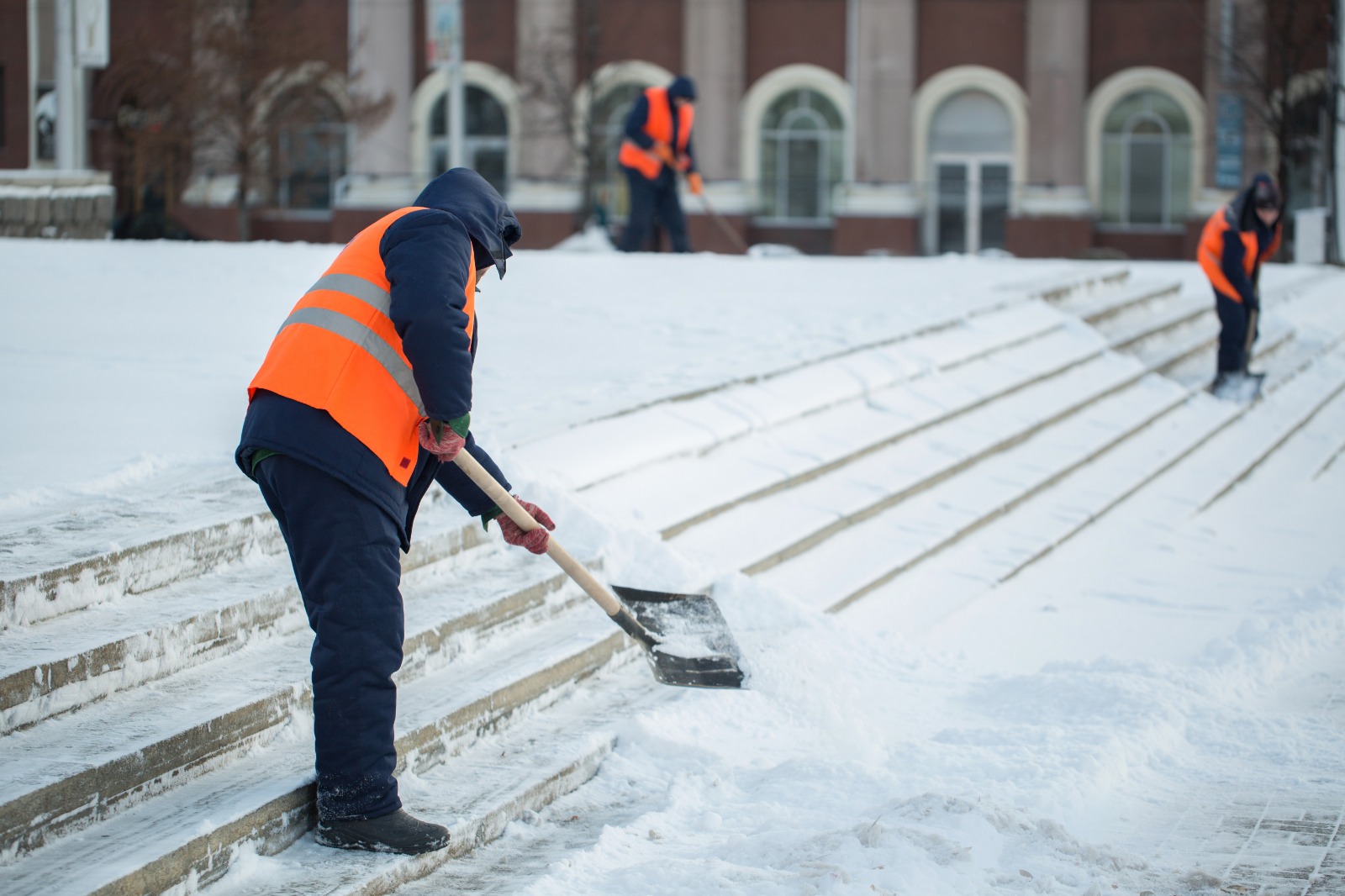
Timely snow removal on stairs and walkways is essential to reduce slip-and-fall risk during winter.
9.1 Risks of DIY Winter Maintenance
DIY winter maintenance often leads to gaps in coverage. Property owners may be unavailable during storms, miss refreezing events, or lack proper equipment. Inconsistent maintenance increases liability exposure, especially for larger or multi-unit properties.
9.2 Benefits of Professional Winter Services
Professional winter maintenance provides consistency, trained crews, proper equipment, and documentation. Many services include weather monitoring and scheduled inspections, reducing the risk of missed hazards. For most property owners, outsourcing winter care offers better protection against both accidents and legal claims.
10. What to Do If a Slip-and-Fall Occurs on Your Property
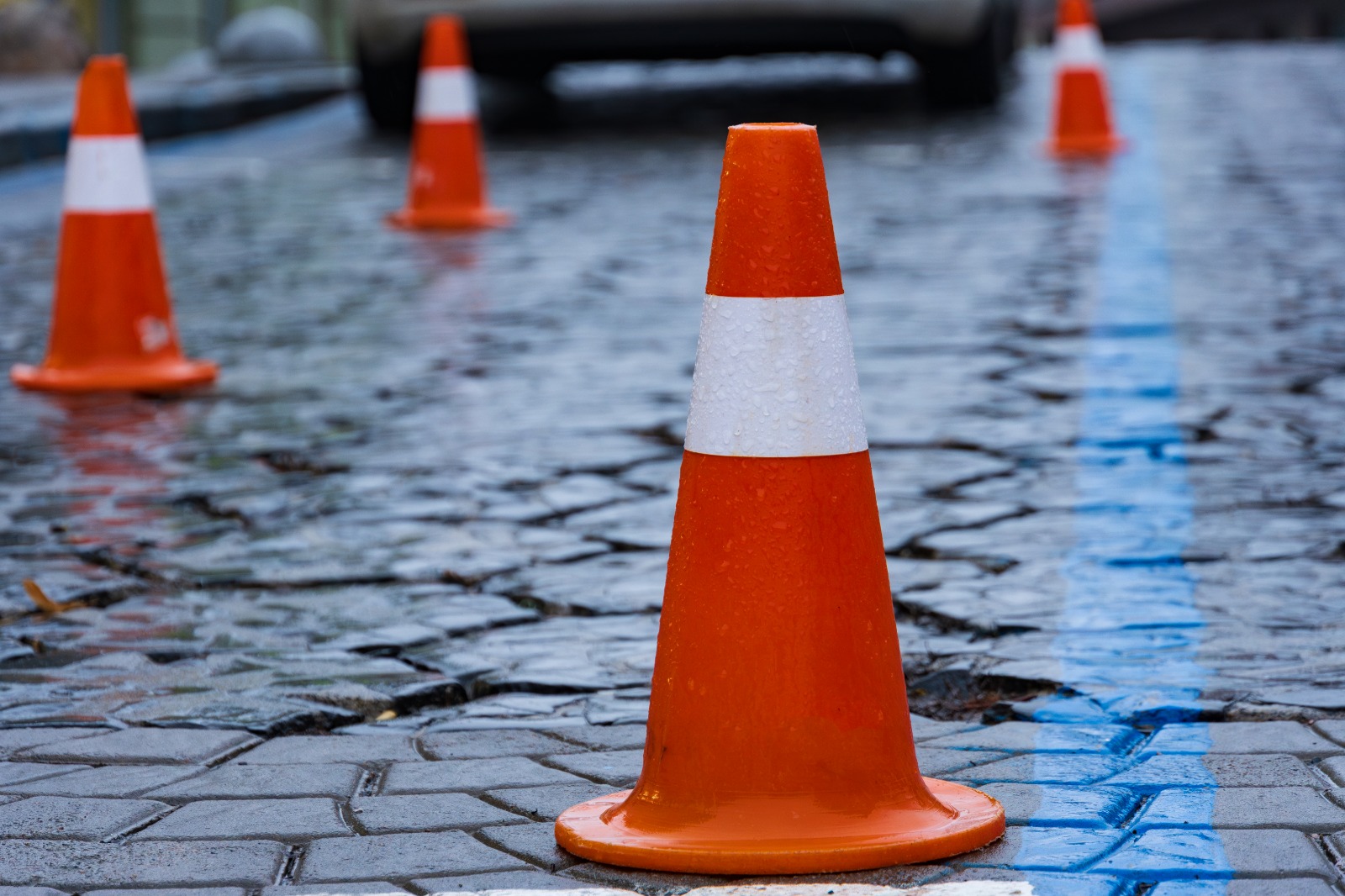
Warning cones help alert pedestrians to slippery surfaces and reduce slip-and-fall risk.
If a slip-and-fall occurs, secure the area immediately to prevent further injury. Treat ice, block access if necessary, and provide assistance. Document conditions thoroughly with photos, weather details, and maintenance records. Gather basic information but avoid admitting fault. Notify your insurance provider promptly and follow internal reporting procedures. Quick, calm action helps protect both people and your legal position.
11. How Winter Liability Prevention Fits Into a Year-Round Maintenance Plan
Winter safety should be part of a broader, year-round maintenance strategy. Preventive maintenance reduces emergency repairs, lowers long-term costs, and improves safety across all seasons. Planning ahead for winter allows property owners to allocate resources, schedule inspections, and address vulnerabilities before problems arise. Over time, this proactive approach protects both property value and legal standing.
12. Frequently Asked Questions
Winter safety requires timely action-missing deadlines can increase risk and liability.
Q: How quickly must snow and ice be removed in the GTA?
A: Most cities require clearing within 12-24 hours, but reasonable care may require faster action during changing conditions.
Q: Can a property owner be sued even after clearing snow?
A: Yes. Liability can still arise if ice reforms or inspections are not performed.
Q: Who is responsible for sidewalk safety at rental properties?
A: In most cases, the property owner remains responsible, even if duties are delegated.
Q: Does hiring a contractor remove liability from the owner?
A: No. Owners must still ensure contractors are qualified and work is properly completed.
Q: What areas cause the most winter slip-and-fall claims?
A: Entrances, sidewalks, parking lots, stairs, ramps, and indoor transition areas.
Q: Is salting alone enough to prevent liability?
A: No. Salting must be combined with snow removal, inspections, drainage, and documentation.
Q: How long should winter maintenance records be kept?
A: At least 2-3 years, or longer when possible.