

1. Introduction
Winter in the GTA is like a stress test for every property. Snow, salt, and freeze-thaw cycles can turn small issues into big repairs fast. This winter property maintenance checklist GTA guide keeps things simple: what to check, what to fix, and when it’s smarter to bring in pros.
2. What Professional Property Maintenance and Cleaning Includes
Professional property maintenance isn’t just “cleaning.” Think of it as routine care that keeps a property safe, functional, and presentable through the toughest months of the year. A complete winter property maintenance GTA plan usually includes snow and ice control, inspections, exterior cleaning, interior deep cleaning, and preventive tasks like checking drainage and sealing problem areas.
For residential properties, the focus is comfort and prevention: reducing drafts, keeping windows clear, and making sure water drains properly so it doesn’t freeze and back up. For commercial and multi-unit buildings, the focus expands to high-traffic safety, floor protection, and consistent upkeep of entrances, walkways, and shared spaces.
Here’s a simple way to think about it: winter maintenance is like brushing your teeth. Skip it, and you may be fine for a while -until you’re not. A structured Toronto winter property checklist prevents that “surprise emergency” moment.
3. Who Benefits Most from Professional Property Maintenance
3.1 Homeowners with Limited Time
Winter chores pile up quickly: shoveling, salting, clearing vents, watching for leaks. A winter maintenance checklist for homeowners helps prioritize what matters most when time is limited -especially safety and prevention.
3.2 Landlords Managing Rental Properties
Winter adds responsibility. Walkways need to be safe, heat must work, and small issues can become tenant emergencies. A clear winter maintenance checklist for landlords helps reduce complaints, protect the property, and lower risk.
3.3 Property Managers Overseeing Multiple Locations
Managing one building is hard. Managing several? That’s where consistency matters most. Winter property maintenance for property managers is about repeatable routines -clear schedules, documented work, and fewer surprises.
3.4 Small Business and Commercial Property Owners
For commercial spaces, winter hazards impact customers and staff. A commercial winter property maintenance checklist keeps entrances safe, interiors clean, and the property looking professional even in bad weather.
4. Why Outsourcing Property Maintenance Makes Sense
Winter maintenance is one of those jobs that seems manageable… right up until a storm hits mid-week, the temperature drops overnight, and everything freezes at once. That’s where outsourcing becomes less about convenience and more about control.
4.1 Saves Time and Reduces Stress
Winter doesn’t wait for free weekends. Pros work on schedules, monitor conditions, and handle time-sensitive tasks so you don’t have to rearrange your life around the forecast.
4.2 Ensures Consistent, Professional Results
DIY work often depends on “when I get to it.” Professional teams follow checklists, use proper tools, and deliver consistent results across properties. That consistency matters most in winter.
4.3 Improves Safety and Reduces Liability Risks
One icy patch can cause injuries and claims. Proper slip and fall prevention winter practices -timely clearing, correct de-icing, and attention to high-risk zones -reduce exposure significantly.
4.4 Helps Meet Local Compliance and Bylaw Expectations
There are clear snow removal responsibilities Ontario property owners must meet. Outsourcing helps keep properties aligned with winter property maintenance laws GTA and local timelines, without constant follow-ups.
5. Common Property Maintenance Challenges in the GTA
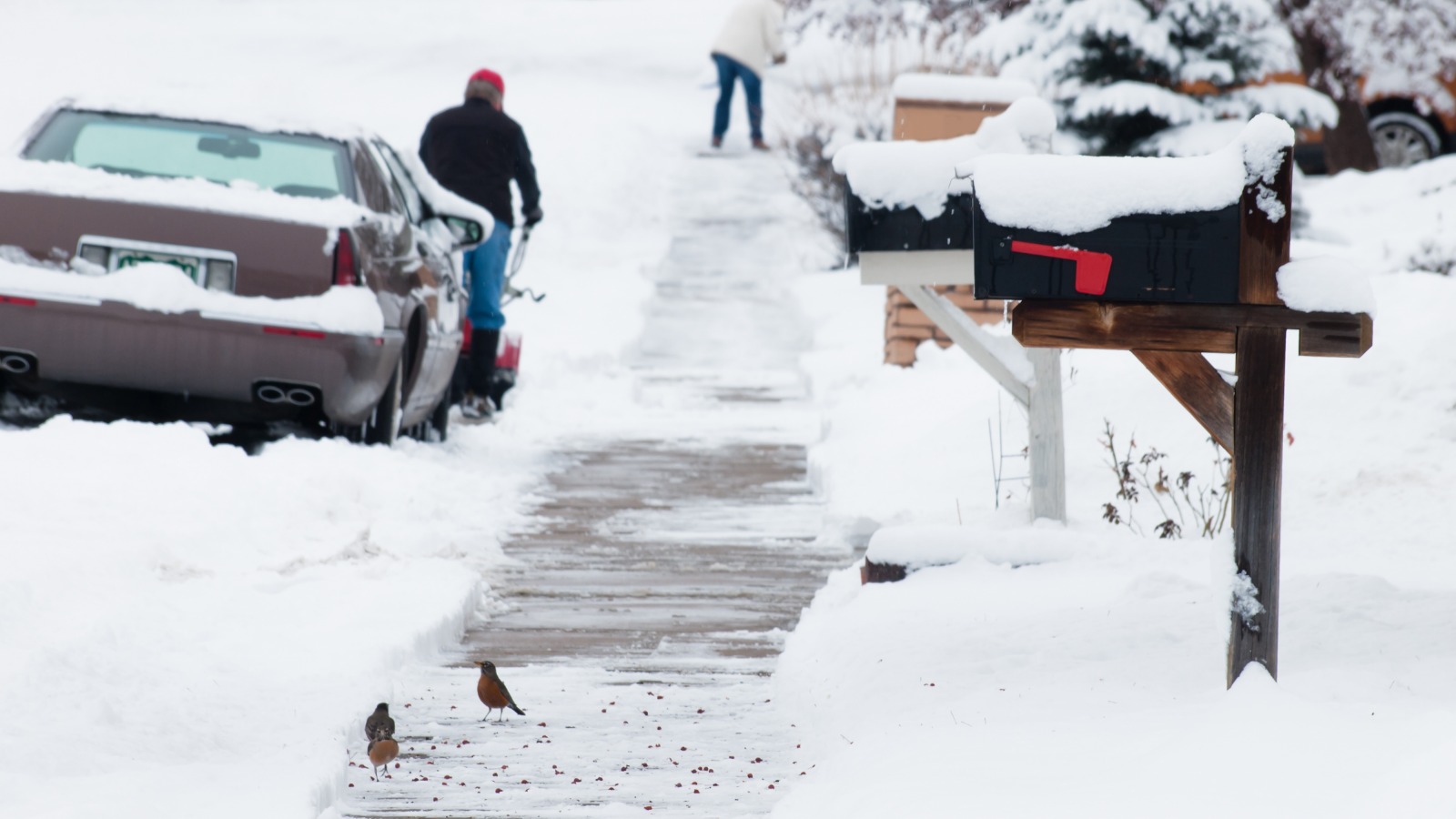
Partially cleared sidewalks can still pose serious slip-and-fall risks during winter if ice and compacted snow are not properly managed.
The GTA has “classic winter problems,” but a few local factors make things harder.
5.1 Seasonal Weather Extremes
The freeze-thaw cycle is the real troublemaker. Melting water seeps into cracks, freezes overnight, expands, and causes damage. Without a winter property safety checklist, small problems stack up fast.
5.2 Urban Wear and Tear
Road salt, slush, and foot traffic do serious damage. Salt is great for traction, but it’s brutal on surfaces -concrete, stone, floors, and entryways. It can also leave residue that becomes slippery again when re-frozen. This is why post-winter cleaning matters, including targeted power washing for exterior buildup.
5.3 Rental and Commercial Compliance Requirements
Multi-unit and commercial properties typically face stricter expectations. Ignoring landlord winter maintenance obligations or public-safety responsibilities can lead to disputes, complaints, and costly problems.
Bottom line: common winter property maintenance issues are predictable. The goal is to prevent them before they get expensive.
6. Essential Residential Property Maintenance Services
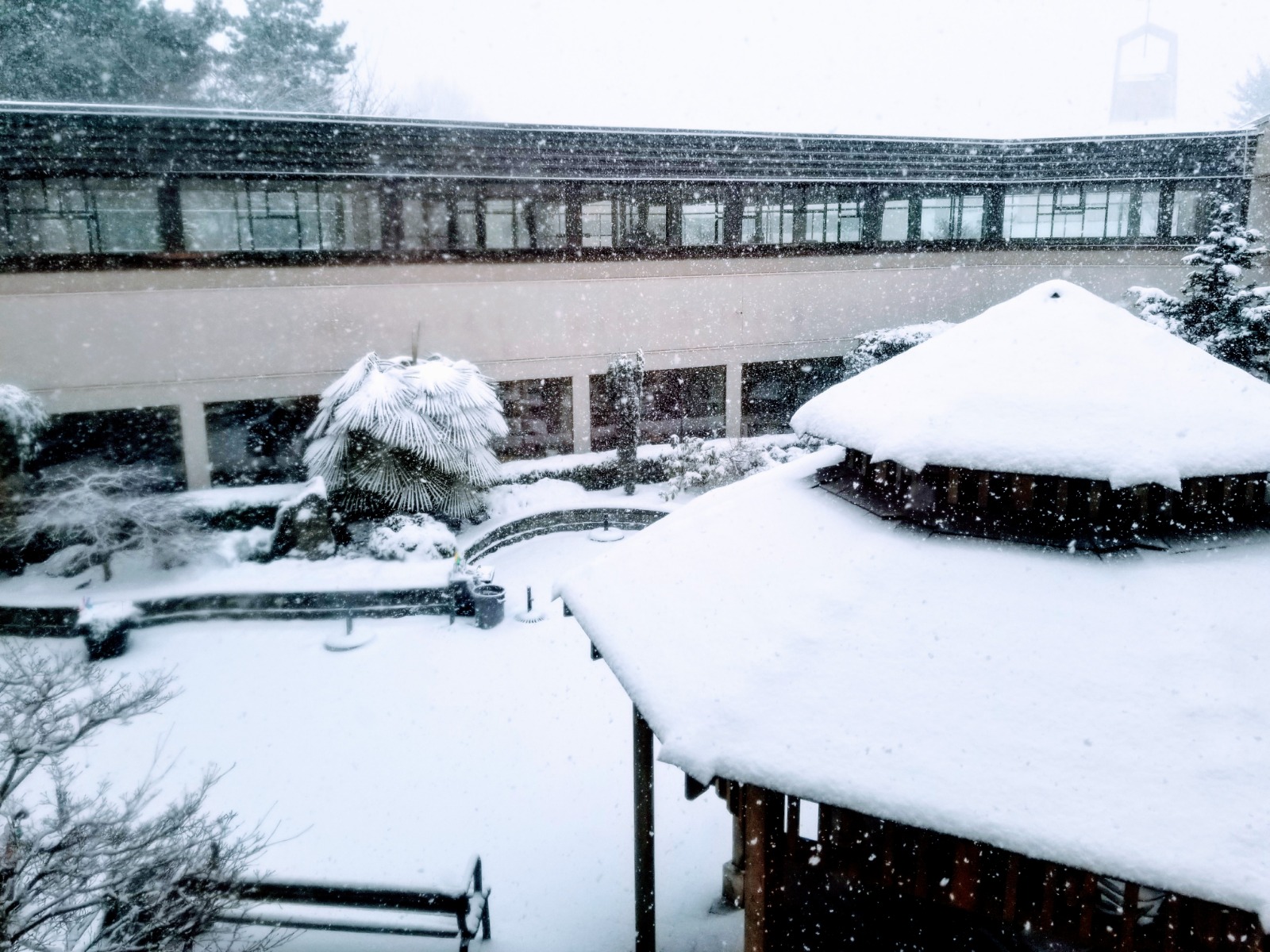
Heavy snow accumulation on property roofs and common areas highlights the need for proactive winter maintenance and monitoring.
A strong residential winter maintenance checklist focuses on five areas: indoor comfort, visibility, drainage, surface safety, and outdoor readiness.
6.1 Interior and Deep Cleaning
Winter means closed windows and more time indoors. Deep cleaning improves air quality and makes it easier to spot issues like damp corners, small leaks, or mold-prone areas.
6.2 Window Cleaning and Repairs
Windows impact both safety and efficiency. Clean windows improve visibility (especially during storms) and allow more daylight, while small repairs help reduce drafts and heat loss. If you want professional help, explore window cleaning services designed for year-round conditions.
6.3 Gutter and Eavestrough Cleaning
This is a big one. Clogged gutters can cause water to back up, freeze, and contribute to ice dams. Winter gutter cleaning GTA and reliable eavestrough cleaning winter planning are key steps for ice dam prevention Toronto and avoiding water damage. Learn more about professional gutter cleaning options.
6.4 Exterior Power Washing
In winter, salt and grime build up on walkways and entrances. While full power washing is often a warmer-weather task, planning it helps protect surfaces and reduce long-term staining and deterioration. See power washing options for seasonal cleanup
6.5 Seasonal Yard and Grounds Maintenance
Even in winter, yards need attention -clearing debris, keeping drainage paths open, and trimming risky branches to reduce storm damage.
Together, these steps create a practical winter home maintenance checklist GTA that protects comfort, safety, and value.
7. Essential Commercial Property Maintenance Services
Commercial properties see more foot traffic and higher safety expectations, which makes winter maintenance less forgiving.
7.1 Office and Retail Space Cleaning
Salt, slush, and wet boots leave floors slick and dirty. Regular cleaning prevents buildup and keeps entryways safe and presentable.
7.2 Floor Care and Restoration
Floor damage often starts in winter. Moisture and salt can wear down finishes quickly. Ongoing floor care helps protect surfaces and reduce replacement costs.
7.3 High-Traffic Area and Exterior Maintenance
Entrances, ramps, stairs, walkways, and parking zones need consistent attention. Snow and ice management must be proactive, not reactive -especially during freeze-thaw periods.
7.4 Post-Construction and Move-In/Move-Out Cleaning
Turnovers don’t stop because it’s cold. Winter move-ins, tenant changes, and post-reno cleanup need fast turnaround while keeping the space safe.
If you’re maintaining a business property, treat winter like peak season for prevention. A detailed winter maintenance checklist for commercial buildings keeps operations smooth and reduces risk.
8. Benefits of Hiring a Single All-in-One Maintenance Provider

Keeping a documented maintenance schedule helps property owners stay ahead of winter hazards and reduce slip-and-fall liability.
Coordinating multiple vendors in winter can feel like juggling while wearing gloves. One all-in-one provider simplifies the process.
8.1 Simplified Scheduling and Coordination
You get one point of contact and one schedule. That means fewer gaps and fewer “Who’s handling this?” moments.
8.2 Better Cost Control and Predictability
Bundling services often makes budgeting easier, especially when you’re planning for seasonal needs and recurring tasks.
8.3 Accountability and Service Consistency
With one provider, there’s no blame game between contractors. One team owns the outcome, which usually means faster resolutions.
8.4 Long-Term Property Value Protection
Consistent maintenance helps preserve surfaces, reduce wear, and extend the life of key property elements.
If you’re looking for a single solution, explore comprehensive property maintenance services that cover multiple needs under one roof.
9. How Professional Maintenance Protects Property Value and Curb Appeal
Winter damage is sneaky. Snow hides cracks. Ice hides drainage issues. Salt hides surface wear -until spring reveals everything at once.
Professional maintenance works like routine health checkups. Regular inspections catch early signs of trouble: loose seals, blocked drainage, small leaks, and wear that spreads. Cleaning protects finishes -especially floors, entryways, and exterior surfaces exposed to salt. Preventive work reduces the odds of expensive repairs later.
Curb appeal also matters in winter. A property that looks cared for -clear walkways, clean windows, safe entrances -signals reliability to tenants, visitors, and customers. It’s not about perfection. It’s about sending the message: “This place is maintained.”
This is the practical path to winter property damage prevention -and long-term value protection.
10. Safety and Compliance Factors Property Owners Often Overlook
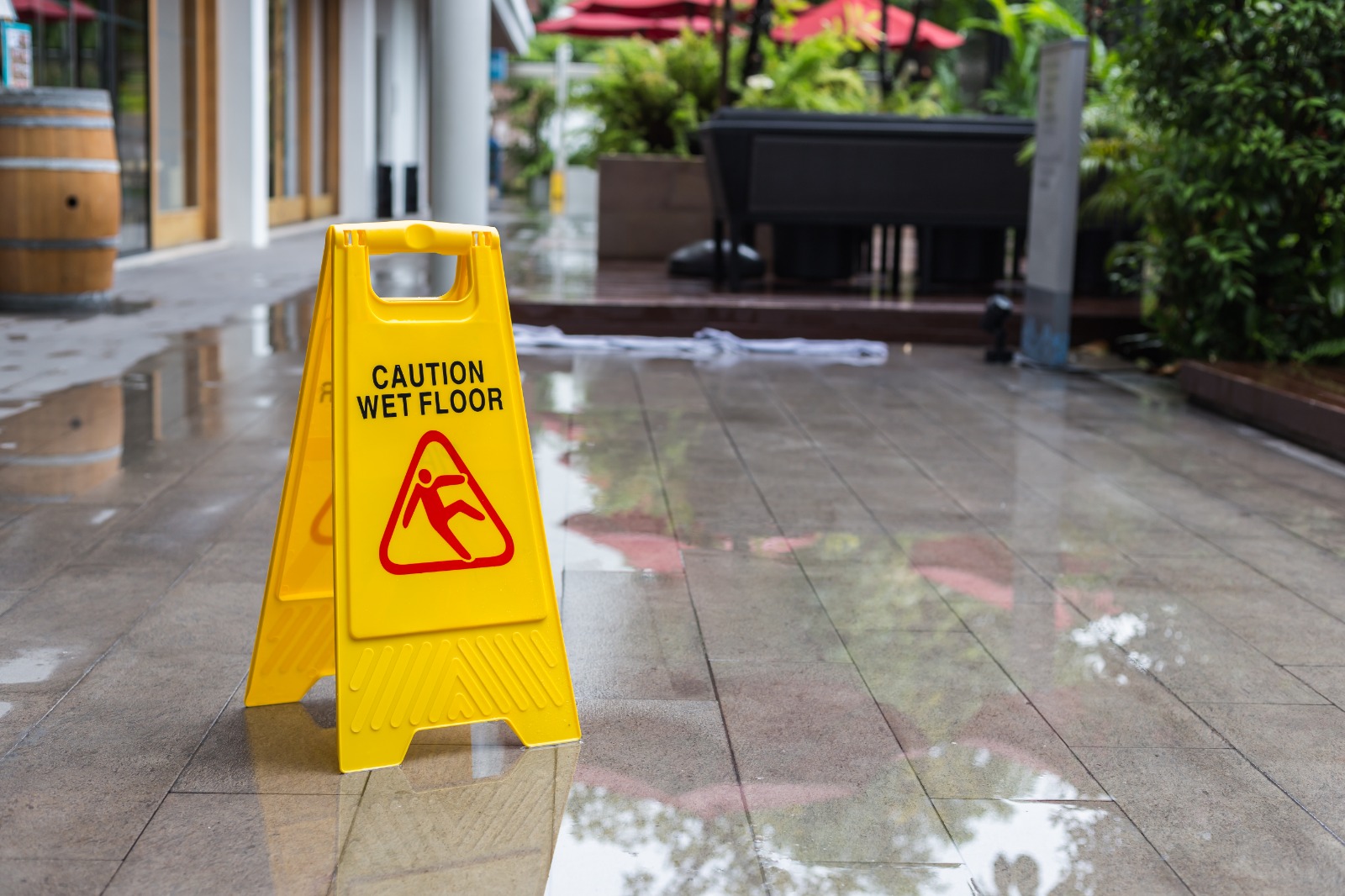
Warning signs and proper cleanup are essential steps in preventing slip-and-fall incidents on wet or icy surfaces.
Safety is the biggest winter risk because it affects people -not just property.
10.1 Slip-and-Fall Risks
Ice is predictable, especially on shaded walkways and high-traffic entrances. Good slip and fall prevention winter habits include proper clearing, correct de-icing, and extra attention to problem areas.
10.2 Seasonal Hazards and Preventive Care
Frozen pipes, blocked vents, and drainage backups can cause serious emergencies. A frozen pipes prevention checklist helps reduce risk (basic steps include monitoring vulnerable areas and responding quickly to signs of freezing).
10.3 Insurance and Liability Considerations
Claims can be expensive and stressful. Consistent maintenance reduces incidents and can help demonstrate reasonable care if issues arise.
10.4 Local Bylaws and Maintenance Standards
Many GTA municipalities have rules about snow clearing timelines and safe pedestrian access. Understanding snow removal laws helps align with expectations and reduce ice buildup liability Ontario risk.
11. How to Choose a Reliable Property Maintenance Partner in the GTA
Hiring the wrong team in winter is like buying a cheap umbrella in a storm -it fails when you need it most. Here’s how to choose well.
11.1 Local Experience and Service Coverage
Look for a provider that understands GTA winter realities and can handle winter property maintenance Toronto as well as surrounding areas like Peel, York, and Durham when needed (winter property maintenance Peel Region, winter property maintenance York Region, winter property maintenance Durham Region).
11.2 Range of Residential and Commercial Services
A broader service range usually means better coordination and fewer vendor handoffs.
11.3 Licensing, Insurance, and Certifications
Insurance matters. It protects you if something goes wrong on-site.
11.4 Customer Reviews and Reputation
Look for patterns: punctuality, communication, reliability, and problem-solving during storms.
11.5 Transparent Pricing and Communication
Clear quotes, clear scope, clear expectations. Winter is not the season for vague promises.
If you’ve ever searched “professional winter maintenance services near me,” you already know the options are many. The best choice is the one that shows consistency, transparency, and local reliability.
12. Residential vs Commercial Maintenance: Key Differences Explained
12.1 Scope of Work
Residential work tends to go deeper into comfort and prevention (drafts, drainage, windows). Commercial work tends to go broader (traffic areas, entrances, safety zones, public-facing spaces).
12.2 Frequency and Scheduling
Commercial spaces often need more frequent service, especially during active snowfall periods. Residential schedules may be lighter, but timing is still critical during storms.
12.3 Safety and Compliance Requirements
Commercial sites often carry higher liability exposure and stricter standards. That usually means more documentation, more frequent checks, and stronger emphasis on walkway safety.
Understanding these differences helps build the right checklist -without overdoing it or missing key risks.
13. Seasonal Property Maintenance Planning for Busy Owners
The best winter plan starts before winter, and it doesn’t end when the snow melts.
13.1 Spring and Summer Maintenance Priorities
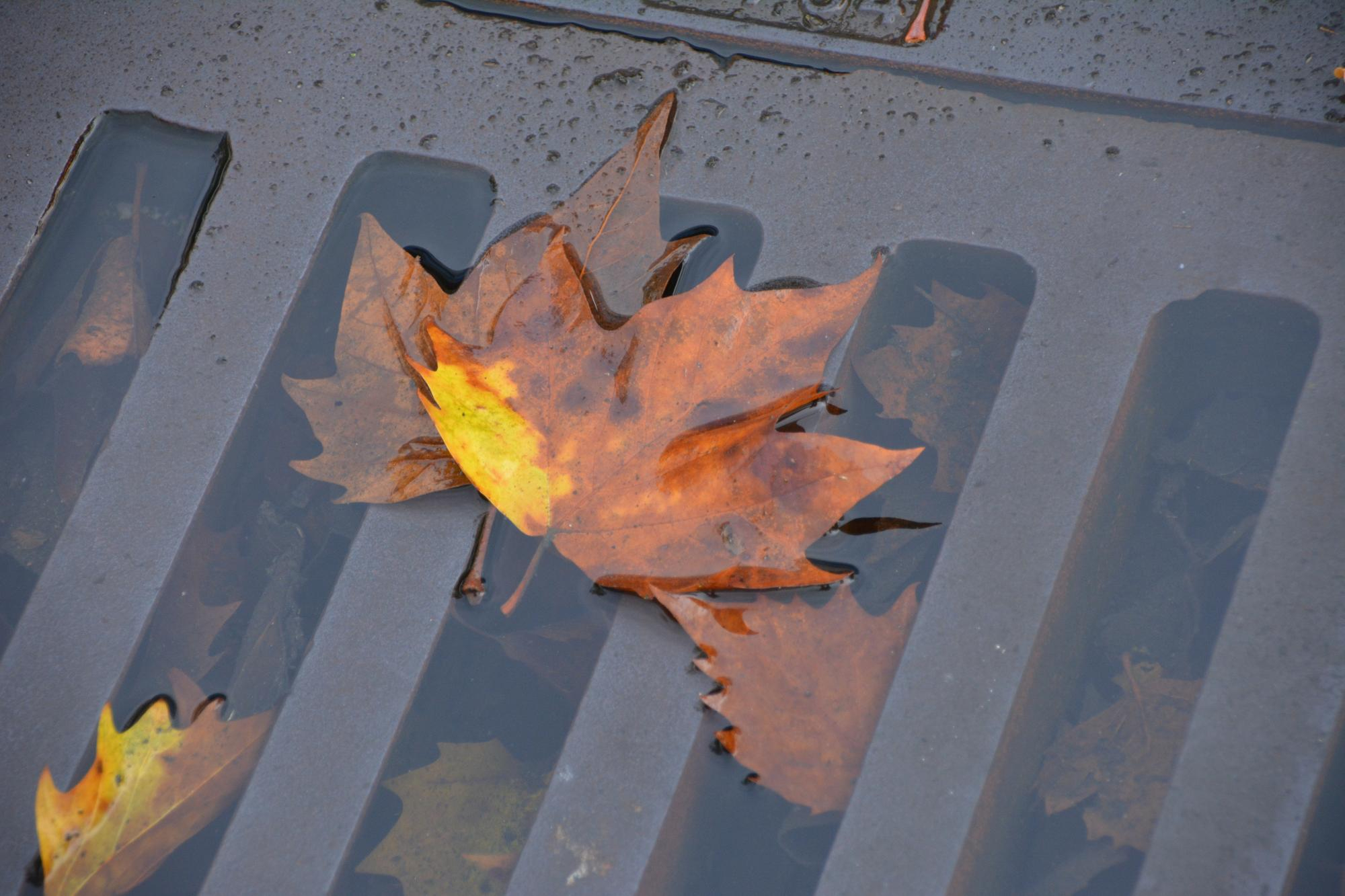
Clogged drains and trapped leaves can lead to water buildup that becomes a serious slip hazard once temperatures drop.
Spring is cleanup season: remove winter salt buildup, inspect surfaces, handle repairs, and reset the property for warmer months.
13.2 Fall Preparation and Preventive Tasks
Fall is the “setup phase.” Clear gutters, check drainage, inspect seals, and prepare entryway mats and supplies. These steps make how to prepare property for winter GTA feel manageable.
13.3 Winter Safety and Property Protection
Winter is execution: consistent checks, quick response, and attention to high-risk zones like entrances, stairs, and shaded walkways.
This cycle prevents emergency surprises and spreads the workload across the year.
14. Cost Expectations for Professional Property Maintenance Services
Winter maintenance costs depend on property size, service frequency, and what’s included (snow clearing, inspections, cleaning, emergency response). The best approach is to compare the cost of a plan versus the cost of emergencies.
A proactive plan helps stabilize winter property maintenance cost GTA by reducing last-minute calls, damage repairs, and avoidable incidents. Even if you’re cost-conscious, prevention usually wins in the long run because winter problems escalate fast.
A simple budgeting mindset helps: don’t ask “What’s the cheapest option?” Ask “What prevents the most expensive problem?”
15. Signs It’s Time to Stop DIY and Hire Professionals
DIY works -until it doesn’t. Here are common signs it’s time to hand it off:
- You’re always reacting to problems instead of following a plan
- Snow and ice tasks feel rushed or inconsistent
- You’ve had near-misses, slips, or complaints
- Gutters back up, ice forms in the same spots, or drainage keeps freezing
- You don’t have the time or tools to do it safely
- You’re worried about liability or compliance
If winter maintenance creates stress every time the forecast changes, that’s a sign the system needs help -especially if you need emergency winter maintenance services during storms.
16. How Regular Maintenance Reduces Long-Term Repair Costs

Property owners often weigh DIY repairs against professional services when managing maintenance responsibilities and safety risks.
Winter damage compounds. A little water gets into a crack. It freezes. The crack widens. More water gets in. Repeat a few times, and suddenly you’re dealing with major repairs.
Regular maintenance breaks that cycle. It catches problems early, keeps drainage flowing, reduces salt damage, and improves safety. It also helps properties last longer: floors, walkways, exterior surfaces, windows, and drainage systems all benefit.
Think of maintenance like changing your phone screen protector. It’s inexpensive compared to replacing the whole screen. The same logic applies to properties: small, consistent actions prevent big, expensive replacements later.
17. Frequently Asked Questions
17.1 How often should property maintenance be scheduled?
During winter, many properties benefit from routine weekly or bi-weekly check-ins, with extra service during heavy snowfall or freeze-thaw periods.
17.2 Are professional maintenance services worth the cost?
Often, yes. They reduce risk, improve safety, and help prevent expensive winter-related damage. For many, the time saved is also a big factor.
17.3 What services are most important for landlords?
Snow and ice control, drainage and gutter checks, reliable communication, and safety-focused inspections are typically top priority -especially to meet landlord winter maintenance obligations.
17.4 How does maintenance help reduce liability risks?
It reduces hazards (like ice buildup) and shows consistent care, which supports safety standards and risk management.
17.5 Can one provider handle both residential and commercial properties?
Yes. Many providers offer both, which helps if you manage mixed property types or multiple locations.
17.6 What should I check before hiring a maintenance company?
Look for insurance, clear scope, local reviews, experience with winter conditions, and transparent communication.
17.7 How does seasonal maintenance prevent costly damage?
It keeps drainage open, reduces freeze-related expansion damage, improves surface safety, and supports early detection of issues like ice dams or leaks.
17.8 Do I need to be present during the service?
Usually not. Many services can be completed without on-site supervision once access and instructions are confirmed.